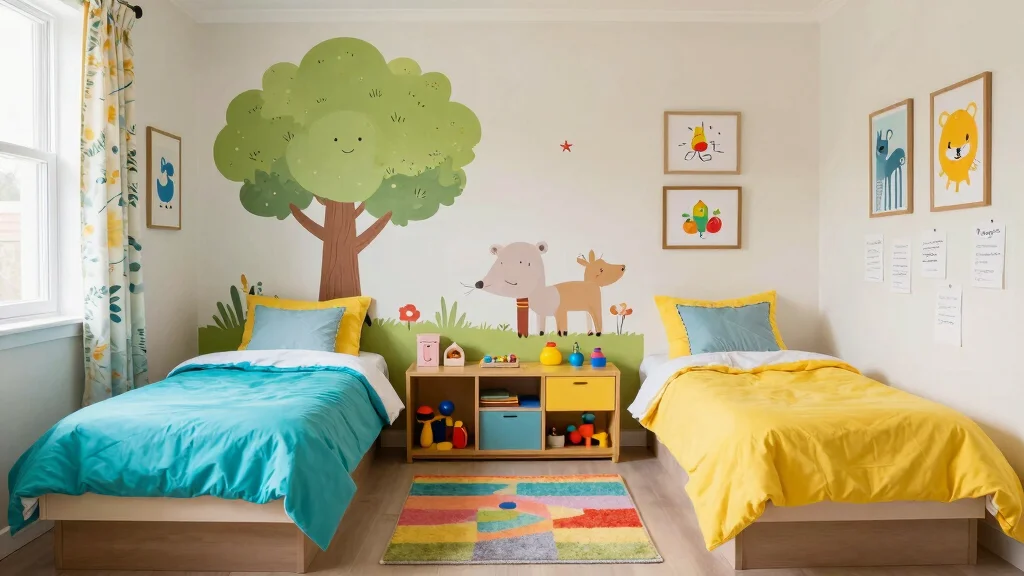
Creating a cozy, fun, and practical space for two kids in a small bedroom can seem daunting. I’ve been there, feeling the pressure of maximizing every inch while keeping it playful and functional. That’s why I put this post together—to share some creative ideas for designing a small bedroom for two kids that celebrates their individuality while providing a nurturing environment.
If you’re a parent looking to make the most out of a shared space, this post is right up your alley. You want a room that fosters creativity, encourages bonding, and includes clever storage solutions to keep the chaos at bay. In this guide, you’ll find 17 delightful ideas that blend style with functionality, perfect for siblings sharing a small bedroom.
Get ready to explore vibrant color schemes, space-saving furniture, and unique decor themes that will transform the room into a magical retreat. From cozy reading nooks to personalized touches, these ideas will help you create a space that both kids will love. Let’s dive in and discover how to make their small bedroom a fun and functional haven!
Key Takeaways
– Vibrant Bunk Beds: Bunk beds can save space and add excitement, especially when paired with playful color schemes that reflect your kids’ personalities.
– Wall-Mounted Desks: Incorporate wall-mounted desks to create a study nook, ensuring kids have a designated area for homework without taking up floor space.
– Multi-Functional Furniture: Look for furniture that serves multiple purposes, like beds with drawers or ottomans that double as storage, to keep the room organized and clutter-free.
– Creative Themed Décor: Use themes that resonate with your children—like superheroes or nature—to make the space engaging and inviting while still being functional.
– Interactive Wall Spaces: Consider adding interactive elements like chalkboards or pegboards to walls. These features encourage creativity and provide a fun outlet for your kids’ imaginations.


1. Bunk Beds with Vibrant Color Schemes
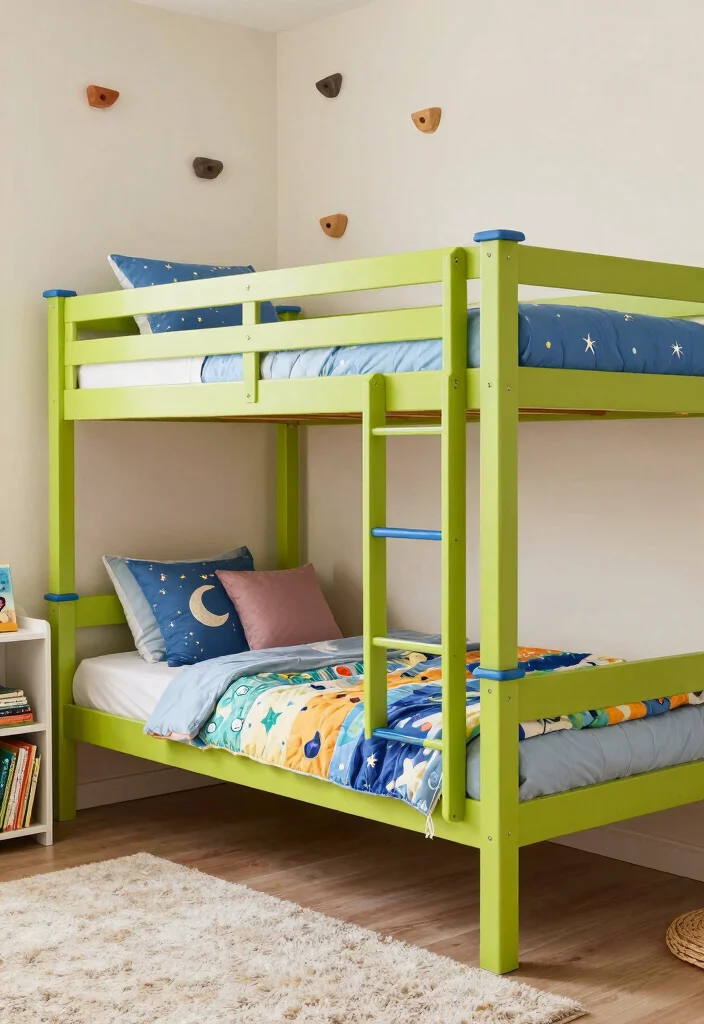
Bunk beds offer a fantastic solution for small kids’ bedrooms, maximizing space while creating fun sleeping arrangements. When you choose vibrant colors for the beds, it can transform the entire room into a playful sanctuary that kids adore. Think of bold shades like bright orange paired with deep navy or soft pastels like blush pink and mint green for a delightful ambiance. You could even paint whimsical designs on the bunk bed sides to inspire imagination and creativity.
To make this setup even more functional, incorporate colorful bedding that matches the bed frames, creating a seamless look. Explore budget-friendly options by mixing high-end bed frames with affordable bedding. This design aligns with the current trend of personalized spaces that foster creativity and connection.
Consider these elements to maximize this palette’s potential:
– Pair vibrant bed linens with coordinating wall art
– Install fun wall decals that enhance color themes
– Use bright, fluffy area rugs to soften the floor
– Don’t forget storage solutions under the beds for toys and games
This approach not only saves space but also creates a lively sleeping area that sparks joy in your children.


2. Wall-Mounted Desks for a Study Nook
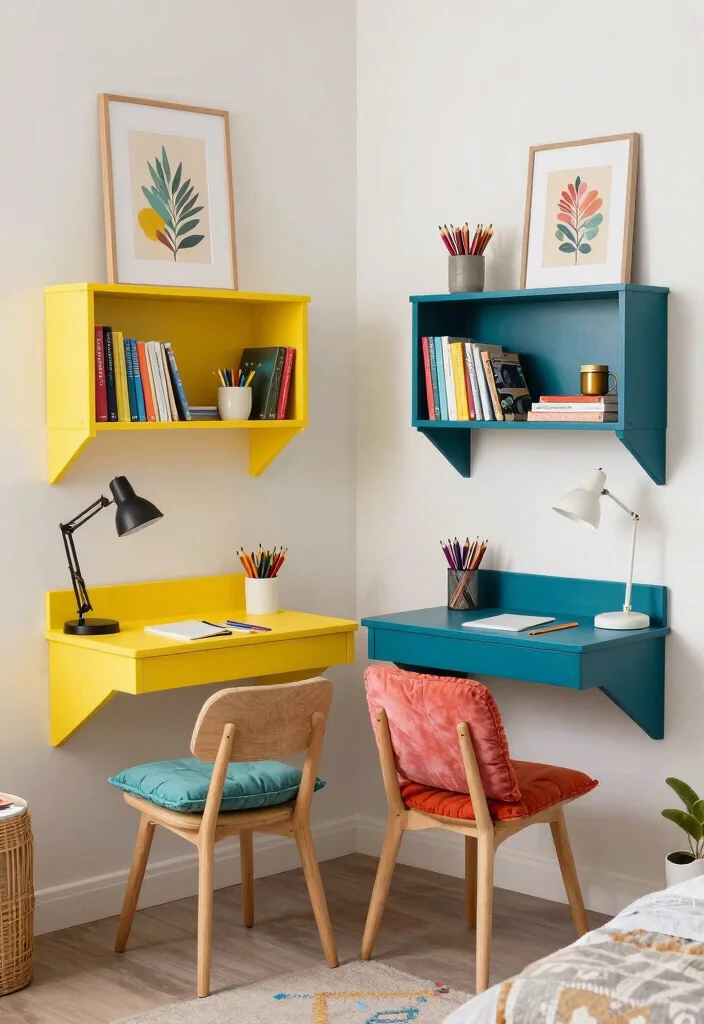
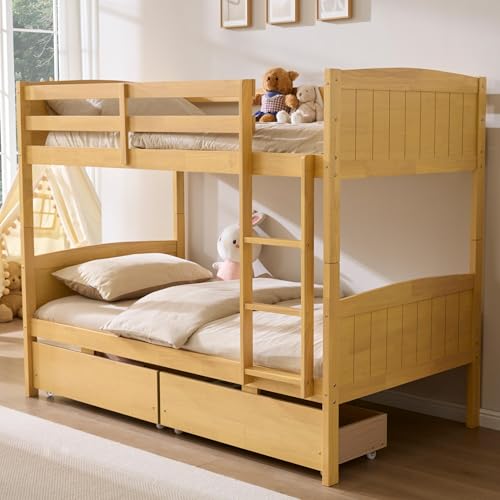
In a small bedroom, a wall-mounted desk can be the perfect solution for creating a dedicated study nook. These desks occupy minimal floor space and can be adjusted to fit the height needs of each child. This setup provides a personal corner for homework, crafts, or creative projects, enhancing productivity without cluttering the room.
To elevate this area, add colorful desk accessories and cheerful chair cushions that reflect your kids’ personalities. Look for space-saving options like foldable desks or wall shelves to maximize functionality. This trend encourages children to take ownership of their study habits and fosters a sense of independence.
Implement these tips for an inspiring study area:
– Use wall organizers for books and supplies
– Personalize the space with inspiring quotes or art
– Incorporate good lighting with chic desk lamps
– Utilize foldable chairs for easy storage when not in use
This design not only promotes focus but also gives each child a sense of ownership in their shared space.
In a small bedroom for two kids, a wall-mounted desk can save up to 50% of floor space per desk, turning tight corners into study zones. Two kids, two little corners, one tidy room.
3. Multi-Functional Furniture
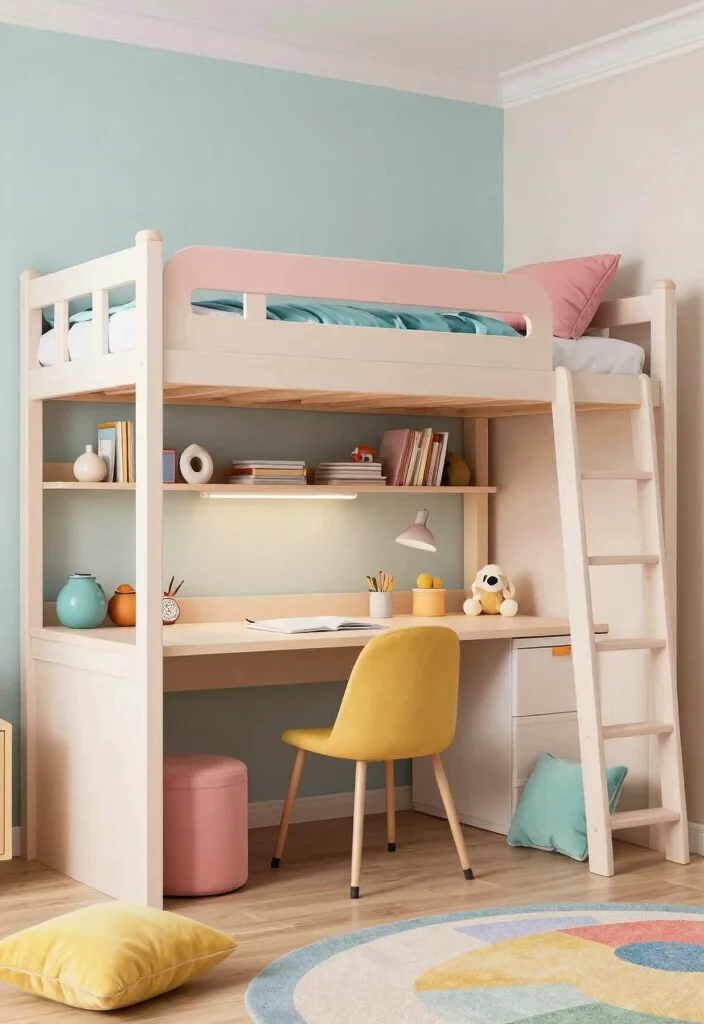
In compact bedrooms, multi-functional furniture becomes your best friend. Look for innovative pieces that serve dual purposes, like beds with built-in drawers or desks that convert to craft tables. This smart use of space keeps clutter in check while ensuring all necessary functions are covered.
Invest in adaptable furniture that grows with your kids. From modular shelving that can be rearranged to fit changing needs to convertible furniture, these choices are both practical and stylish. This approach aligns with the trend of flexibility in design, allowing your space to evolve as your children do.
Must-have pieces to consider:
– A loft bed with a desk underneath to maximize floor area
– Storage ottomans that serve as seating and toy storage
– A foldable table that can be used for play or dining
These solutions enhance the room’s usability, creating a streamlined, modern aesthetic that kids will love.


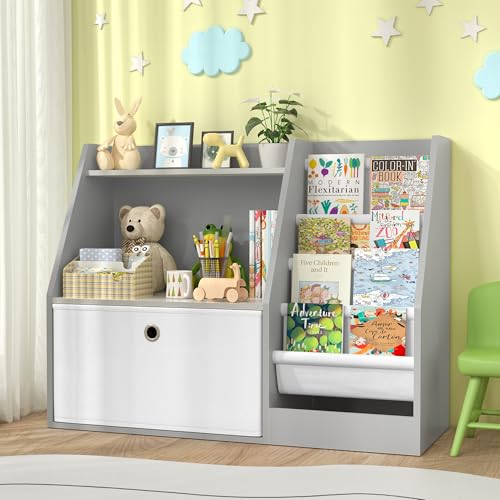
4. Playful Themed Décor
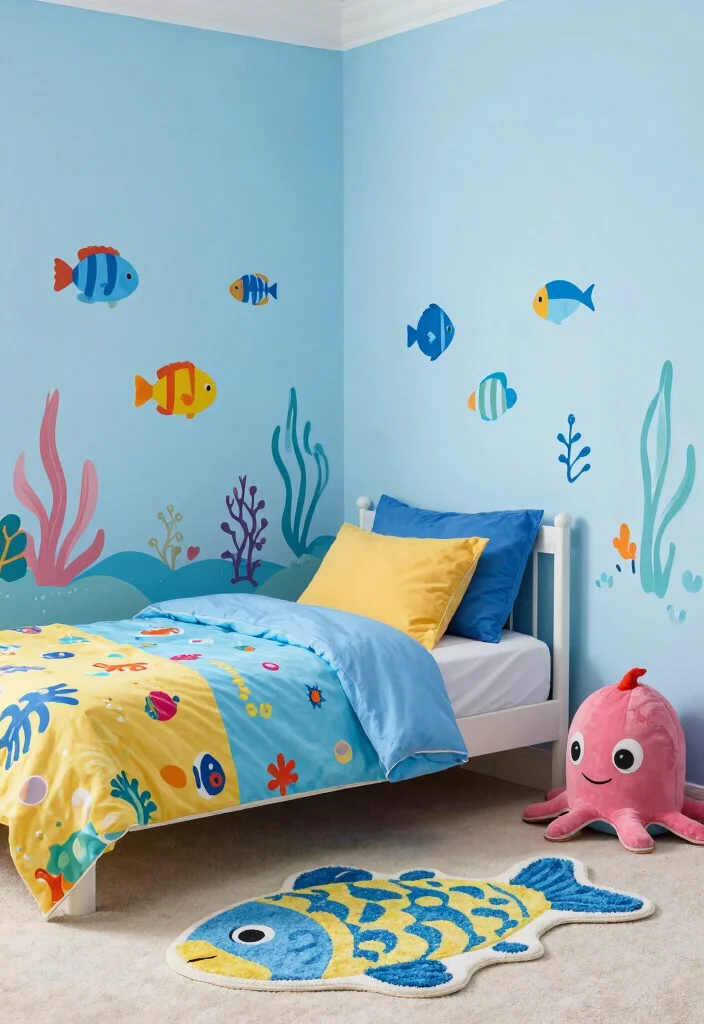
Involving your children in selecting a room theme can be a delightful bonding experience. Whether they adore dinosaurs, rainbows, or outer space, a themed room can ignite their creativity and make the space feel uniquely theirs. Engage them by incorporating removable wall decals or themed bedding, making it easy to refresh the decor as their tastes change.
This flexibility ensures the room remains vibrant and fun without requiring a complete redesign. Choosing themes that resonate with your kids nurtures their imagination and creates a more inviting atmosphere.
Theme ideas for inspiration:
– Create a magical forest with woodland creatures
– Design a space adventure with galaxy prints
– Incorporate underwater themes using bright blues and fish motifs
Each theme can easily come to life with colorful rugs, decorative pillows, and wall art, ensuring the room stays exciting and engaging.
5. Partitioned Spaces
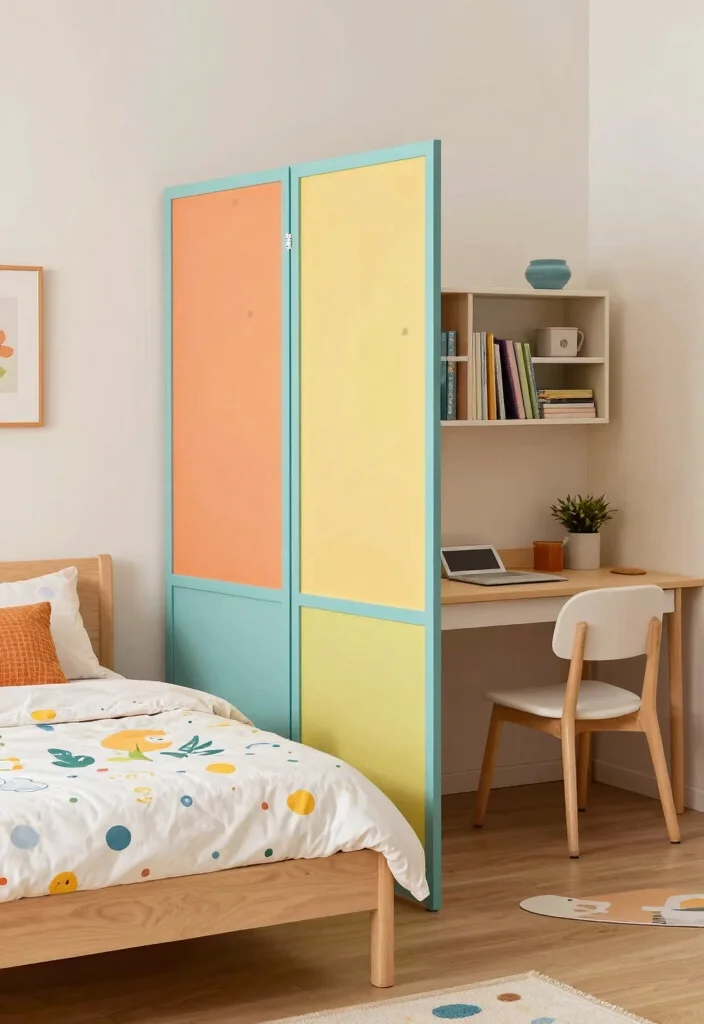
If your kids need their own personal space, consider using room dividers to create separate areas within a shared bedroom. Simple solutions like vibrant curtains or bookshelves can serve as effective partitions. This setup allows each child to have their own space for sleeping, studying, or playing, which is especially beneficial for older children who seek privacy.
Choose stylish dividers that add character to the room while still being functional. Lightweight options can introduce an element of fun without making the room feel crowded.
Ways to partition effectively:
– Use a decorative screen that complements the room’s color scheme
– Hang a curtain that can be drawn for privacy
– Create a visual barrier with tall bookshelves filled with their favorite books
This design encourages individuality while maintaining a sense of closeness, ideal for siblings sharing a room.
Fun fact: in a small bedroom for two kids, lightweight room dividers can carve out up to 60% more personal space for sleeping and study. That extra privacy helps kids focus and friends respect boundaries.
6. Cozy Reading Nook
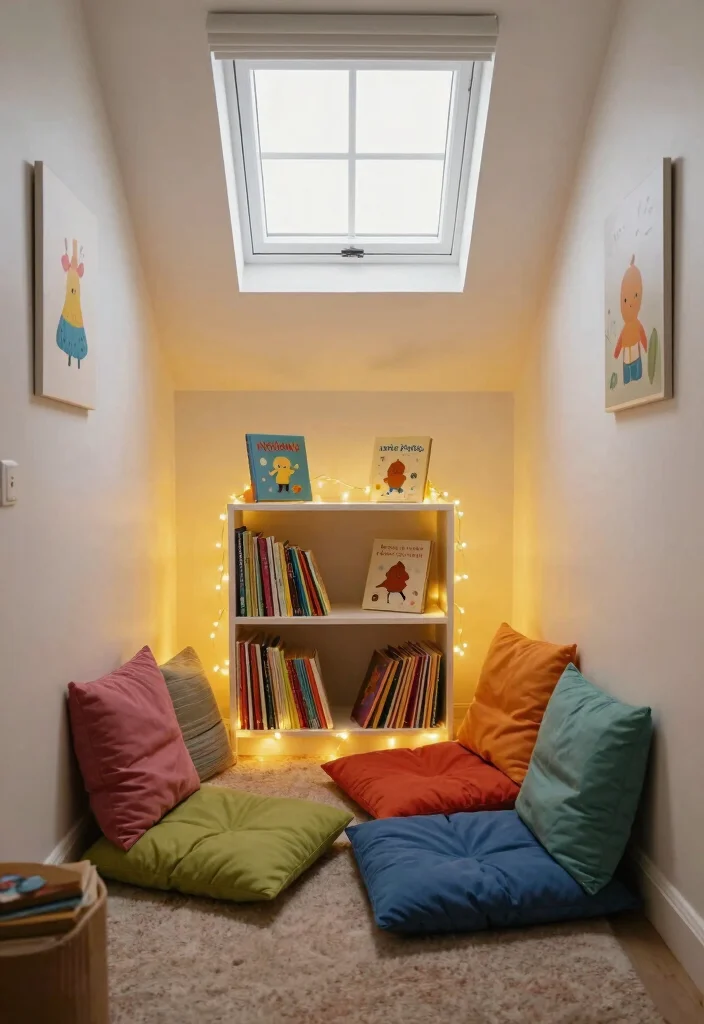
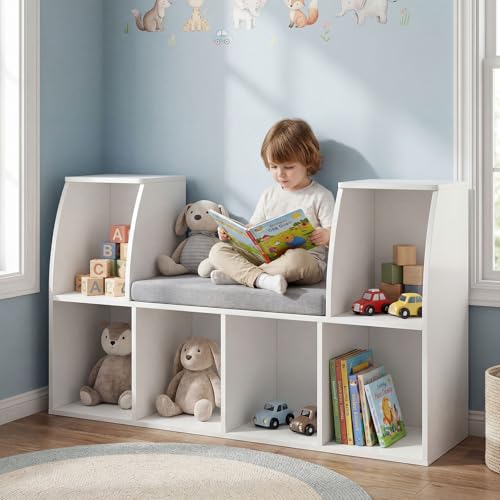
Designing a cozy reading nook in a shared bedroom can foster a love for books and provide a tranquil space for your kids to unwind. This nook can be as simple as a couple of cushy bean bags and a small bookshelf or a more elaborate setup with a comfy window seat adorned with cushions.
Select inviting colors and whimsical light fixtures to create an enchanting atmosphere that makes reading a delightful activity. Having a variety of books within easy reach encourages exploration and ignites their imaginations.
Essentials for a reading nook:
– Comfortable seating options like bean bags or floor pillows
– A small bookshelf or storage for easy access to books
– Soft lighting, like fairy lights or a decorative lamp for ambiance
This charming corner becomes a perfect retreat for siblings, whether they are sharing stories or enjoying quiet reading time.


7. Color-Coded Zones
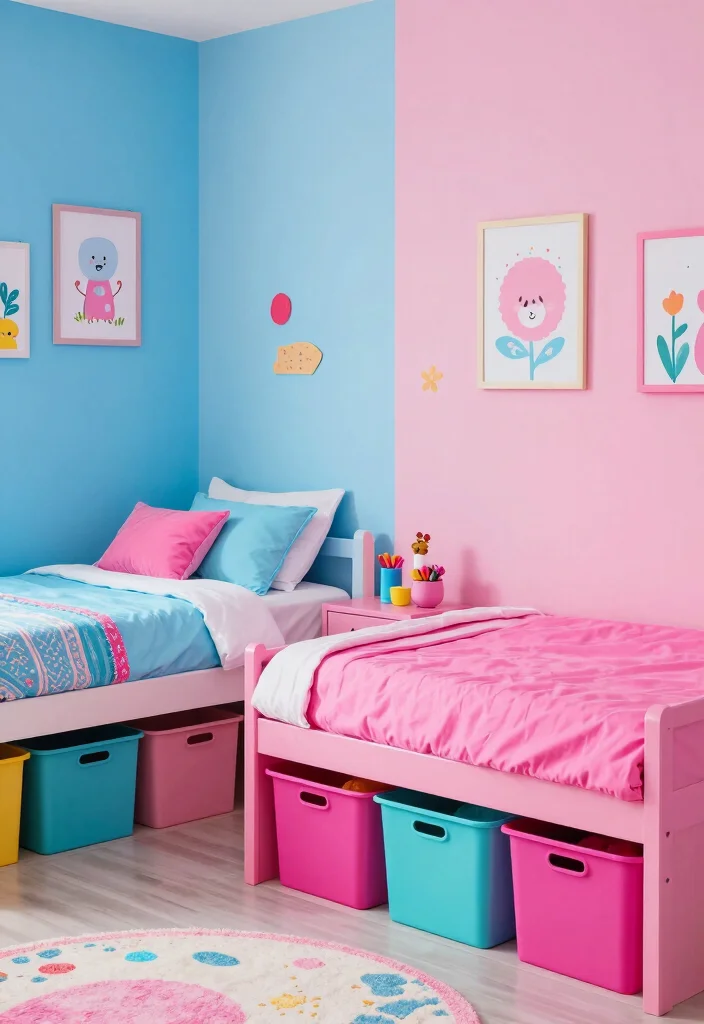
Color-coding different areas of the room is an effective way to define each child’s personal space while adding a playful touch. Assigning specific colors for bed linens, decor, and storage helps children easily identify their belongings, promoting organization.
This method beautifies the room while teaching kids valuable lessons about responsibility. Choose harmonious colors that complement each other to ensure the room feels cohesive rather than chaotic.
Benefits of color-coding:
– Aids in personal organization and encourages responsibility
– Creates a lively and engaging environment
– Simplifies cleanup when kids know where their items belong
This strategy not only enhances the decor but also imparts essential life skills to your children.
8. Creative Storage Solutions
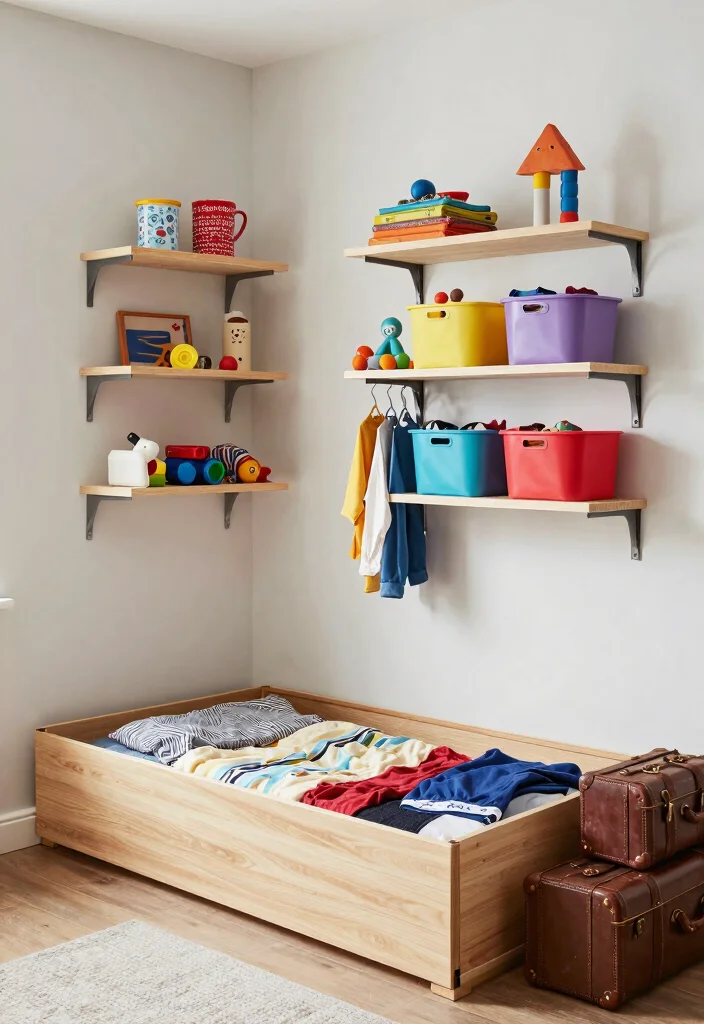
Maximizing storage is essential in small bedrooms, especially when two kids share the space. Opt for creative solutions that blend functionality with style, such as under-bed storage drawers or wall-mounted shelves.
Consider using stackable storage bins to neatly organize toys, clothes, or art supplies. Vintage suitcases or decorative baskets can also add a charming touch while keeping items hidden.
Storage solutions to consider:
– Use under-bed containers for seasonal clothes or toys
– Install hooks on walls for bags or hats
– Employ floating shelves for books and decorative items
By creatively utilizing every available space, you can keep the room organized and tidy while ensuring easy access for your kids.
9. Personalized Decor
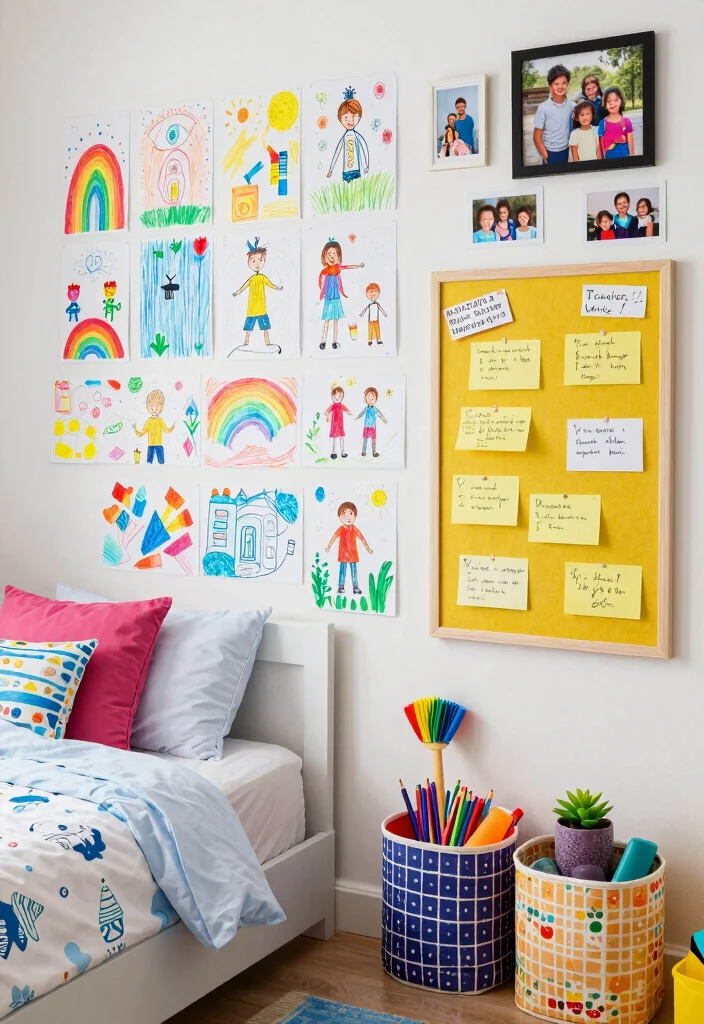
Encouraging your kids to personalize their space can make a shared bedroom feel more unique and special. Allow them to express their personalities through artwork, photos, or DIY projects that reflect their interests.
Setting up an ‘art wall’ for displaying their creations, achievements, or favorite sayings fosters creativity and ownership over their environment. This approach not only decorates the room but also cultivates a sense of pride.
Ways to personalize the space:
– Incorporate cork boards for easy art updates
– Hang picture frames showcasing family photos or their favorite artwork
– Include a bulletin board for notes or reminders
This method nurtures a sense of belonging and individuality within their shared living space.


How To Choose Space-Saving Furniture for a Small Bedroom for Two Kids
Choosing the right space-saving furniture for a small bedroom shared by two kids can make a world of difference in how functional and fun the space feels. With kids in mind, you want furniture that not only saves space but also caters to their needs and preferences. Here’s how to pick the best options for your shared bedroom decor.
1. Consider Size
When choosing furniture, size is essential. Measure the room to know how much space you have to work with. For a small bedroom for two kids, opt for compact pieces that fit well without crowding the space. For example, a twin bed with under-bed storage can save room and keep toys or clothes organized.
2. Look for Multi-Functional Items
Multi-functional furniture is a lifesaver in small spaces. Consider beds that can convert into sofas or futons, or ottomans that double as storage. A desk that collapses when not in use can also provide a study area without taking up too much space. These pieces not only serve multiple purposes but also keep the room tidy.
3. Choose Light Materials and Colors
Light-colored furniture can make a small room feel larger and more open. Consider materials like light wood or white finishes. Softer fabrics in pastel shades can add warmth without overwhelming the space. When selecting beds and dressers, think about how the colors will contribute to playful color schemes your kids will love.
4. Prioritize Storage Solutions
Storage is crucial in a small bedroom. Look for furniture that includes built-in storage options. Beds with drawers, bookshelves with baskets, and desks with shelving can help keep the room organized. Vertical storage is also a great option, so wall-mounted shelves or hooks can maximize floor space while providing places for items.
5. Think About Safety and Durability
Kids can be tough on furniture, so ensure that whatever you choose is sturdy and safe. Avoid sharp edges and select materials that can withstand wear and tear. Look for furniture with rounded corners and made from non-toxic materials to keep your children safe while they play and explore their small bedroom.
6. Match Their Personalities
Involve your kids in the selection process. Choose furniture that reflects their personalities and interests, whether they prefer a nautical theme, a whimsical fairy tale, or something sporty. Personalization can make the bedroom feel special and unique, encouraging them to take pride in their space.
Pro Tip: Measure doorways and hallways before purchasing furniture to ensure it will fit through and into the bedroom easily. Also, consider online retailers that offer free returns in case your selections don’t fit as planned.
Choosing furniture for a shared small bedroom for two kids can be a fun project. With the right size, multi-functional options, light colors, ample storage, safety features, and personal touches, you can create a vibrant, organized, and inviting space for your children.


10. Simple Color Palette
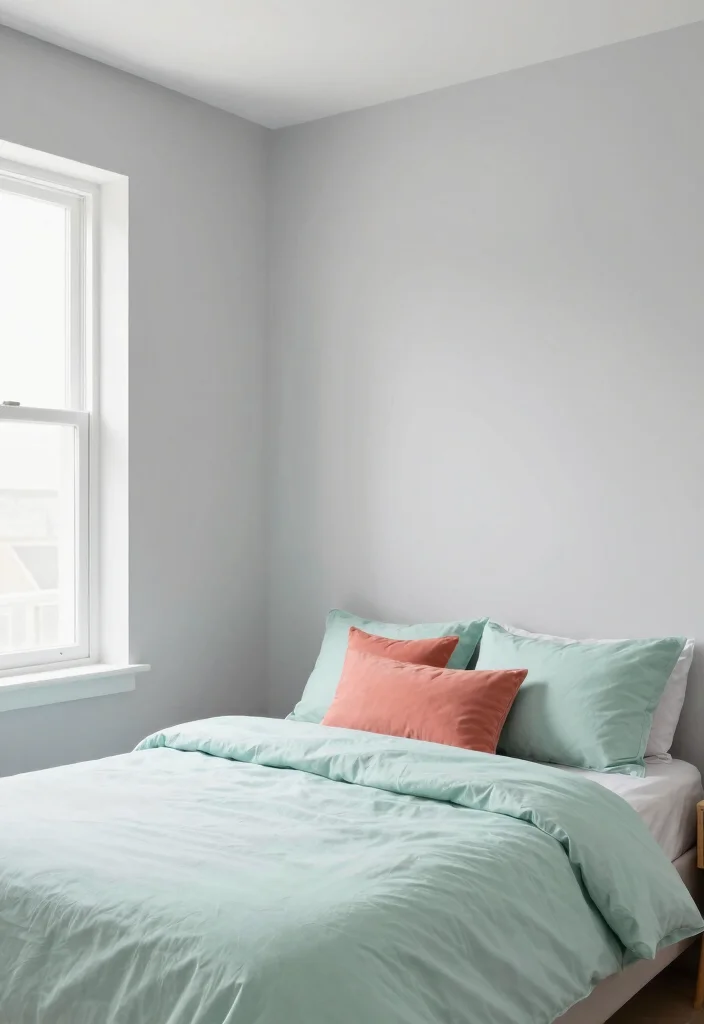
Sometimes, simplicity is key. Opting for a straightforward color palette can create a serene and spacious ambiance in a small bedroom. Choosing two or three complementary colors helps maintain a cohesive look while remaining visually appealing.
Consider soft neutrals paired with bright accent colors to keep the space light and airy. Introduce pops of color through textiles like bedding and curtains, while keeping the walls calm and simple.
Color palette ideas:
– Soft grey and mint with hints of yellow
– Warm beige complemented by navy blue and coral
– Light pastel shades like lavender and baby blue
This strategy creates a tranquil environment, perfect for relaxation and restful sleep.
11. Ceiling-Mounted Curtains
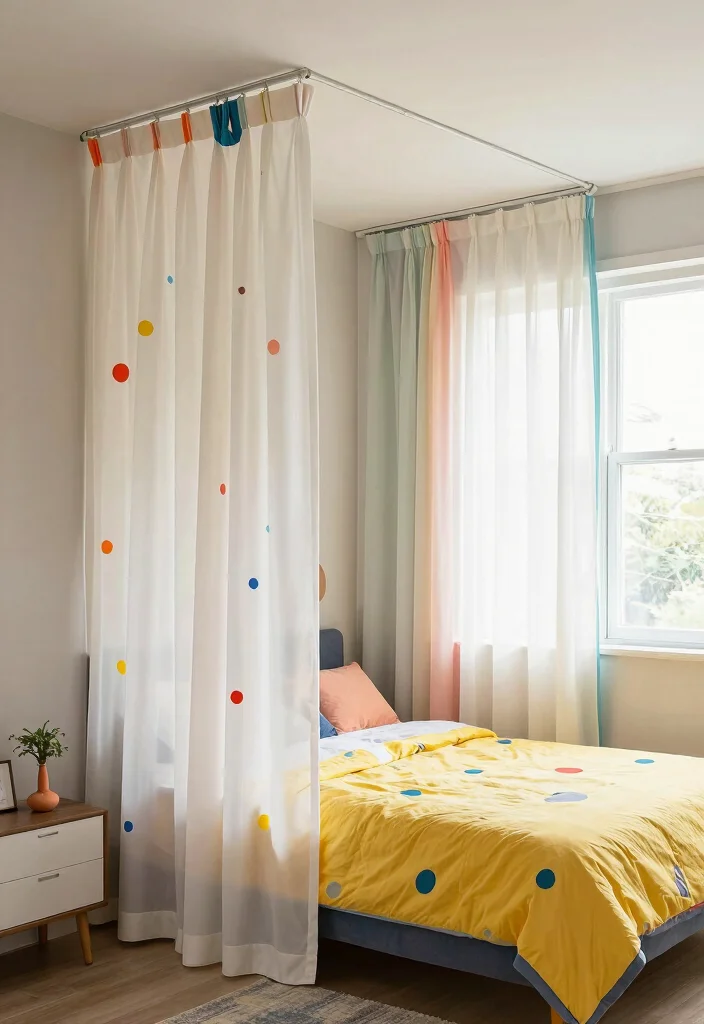
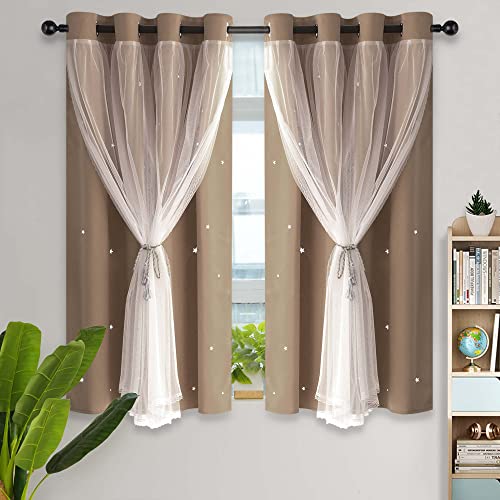
A practical way to create privacy in a shared room is by using ceiling-mounted curtains. This option is particularly useful if your kids have different ages or sleep schedules, offering each child their own sleeping area.
Choosing fun, colorful fabric that reflects their personalities can add a whimsical touch to the room while providing a sense of personal space. This design also enhances the overall look of the room.
Installation tips:
– Use sturdy curtain rods mounted to the ceiling for durability
– Opt for lightweight fabrics for easy movement
– Create a cozy canopy effect over beds if ceiling height allows
This solution not only enhances privacy but also adds a playful element to their shared space.



12. Use of Mirrors
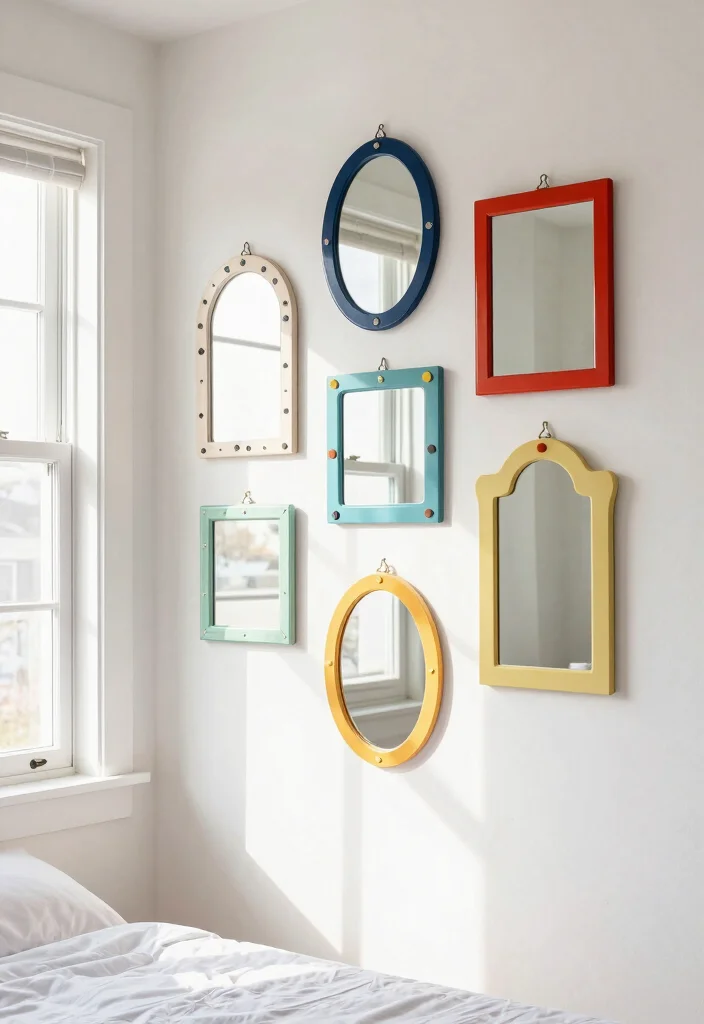
Incorporating mirrors into small bedrooms can work wonders by creating an illusion of more space while adding a decorative flair. A large mirror or a cluster of smaller ones can reflect light, brightening up the room.
Place mirrors strategically to maximize natural light or to create a focal point within the space. Choose fun, colorful frames aligned with your children’s tastes, whether whimsical shapes or vibrant designs.
Mirror placement tips:
– Position mirrors opposite windows to enhance light
– Choose playful shapes to add character
– Incorporate mirrors into decor, such as a gallery wall or above a dresser
This clever design trick not only elevates the room’s style but also helps it feel more open and inviting.
Fun fact: a single large mirror can make a small bedroom for two kids feel 30% bigger by bouncing daylight around. Place mirrors opposite windows to brighten the space and reflect colorfully framed scenes. Pro tip: choose playful frames that match their tastes.


13. Fun Lighting Solutions
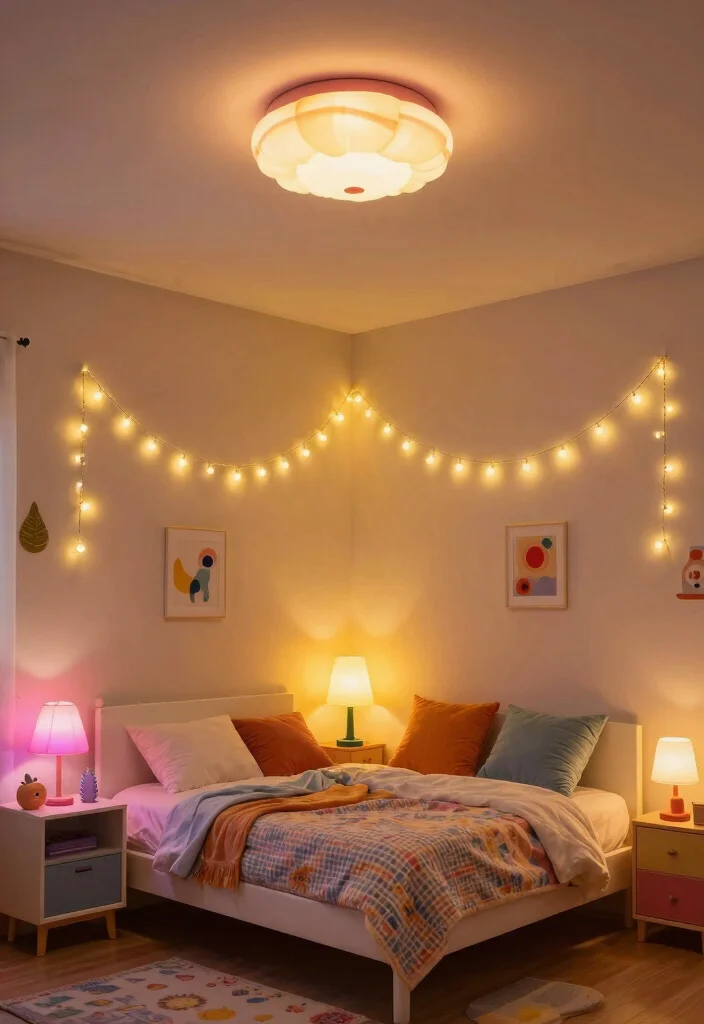
Lighting plays a crucial role in setting the mood within a bedroom. A blend of ambient, task, and decorative lighting can create a warm and welcoming atmosphere. Consider colorful lamps, twinkling fairy lights, or unique ceiling fixtures to brighten up the space.
Dimmable lights can also provide versatility, allowing for bright illumination during playtime and soft lighting for winding down. String lights can introduce a whimsical touch, wrapping around beds or draping along walls for a cozy glow.
Lighting ideas:
– Night lights in fun shapes for comfort
– Clip-on lamps for designated reading areas
– LED strip lights under furniture for a modern vibe
Creative lighting not only brightens the space but also enhances the playful atmosphere that children cherish.
14. Interactive Wall Spaces
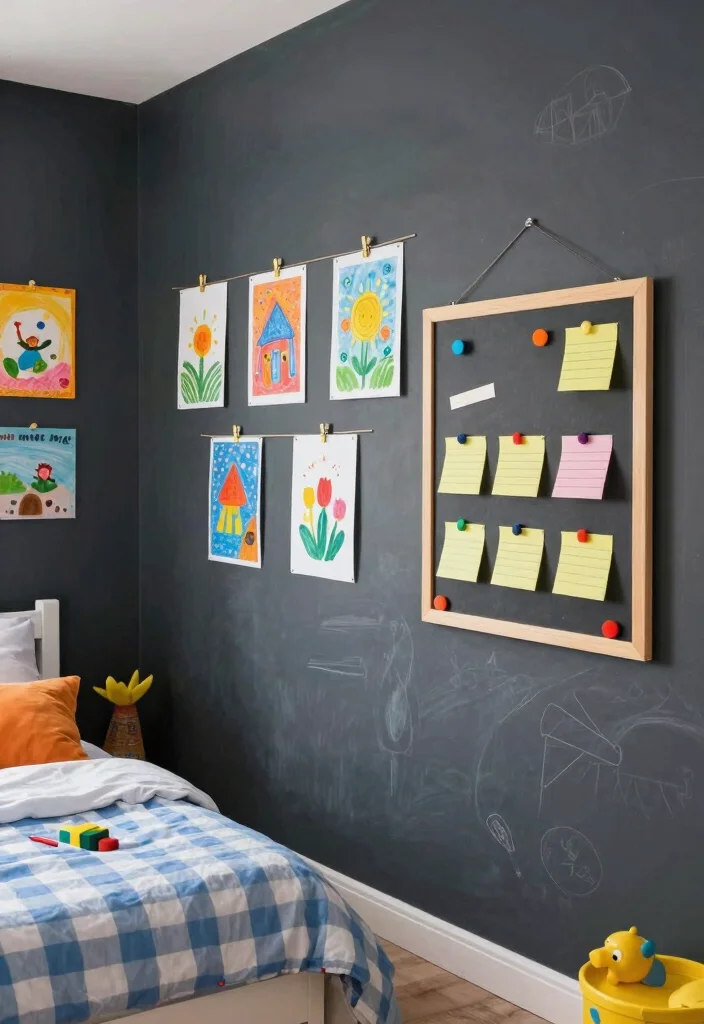
Creating interactive wall spaces can keep your kids engaged while providing functional elements in their room. Using chalkboard paint or whiteboard panels allows them to draw or jot down ideas without damaging the walls.
Additionally, setting up a gallery area for their latest creations encourages them to showcase their artistic expressions. This design not only beautifies the room but also fosters creativity and engagement.
Interactive wall ideas:
– Apply chalkboard paint to a designated section of the room
– Set up clips for easy art display
– Incorporate magnetic boards for notes and reminders
This approach creates a dynamic environment that your kids will love and actively participate in.
15. Layered Textures
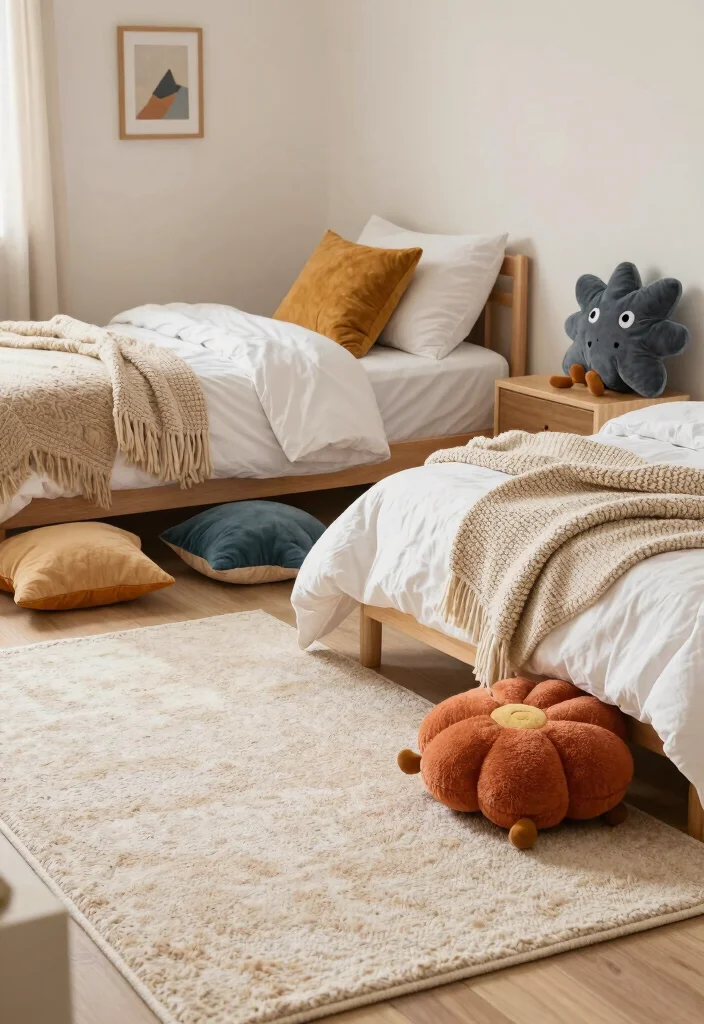
Incorporating different textures into the decor can create an inviting atmosphere that feels warm and cozy. Use a mix of materials such as soft cotton for bedding, plush rugs, and knitted throws to make the room feel inviting and lived-in.
Textures can add depth to the design and can be integrated through cushions, curtains, and even wall art. This strategy can also help define various areas, such as play and sleep zones.
Texturing tips:
– Use a plush area rug to anchor the space
– Incorporate knitted or furry throws for added comfort
– Mix and match cushion designs for visual interest
With thoughtful layering, the space will not only feel visually appealing but also welcoming for both kids.


16. Playful Accent Walls
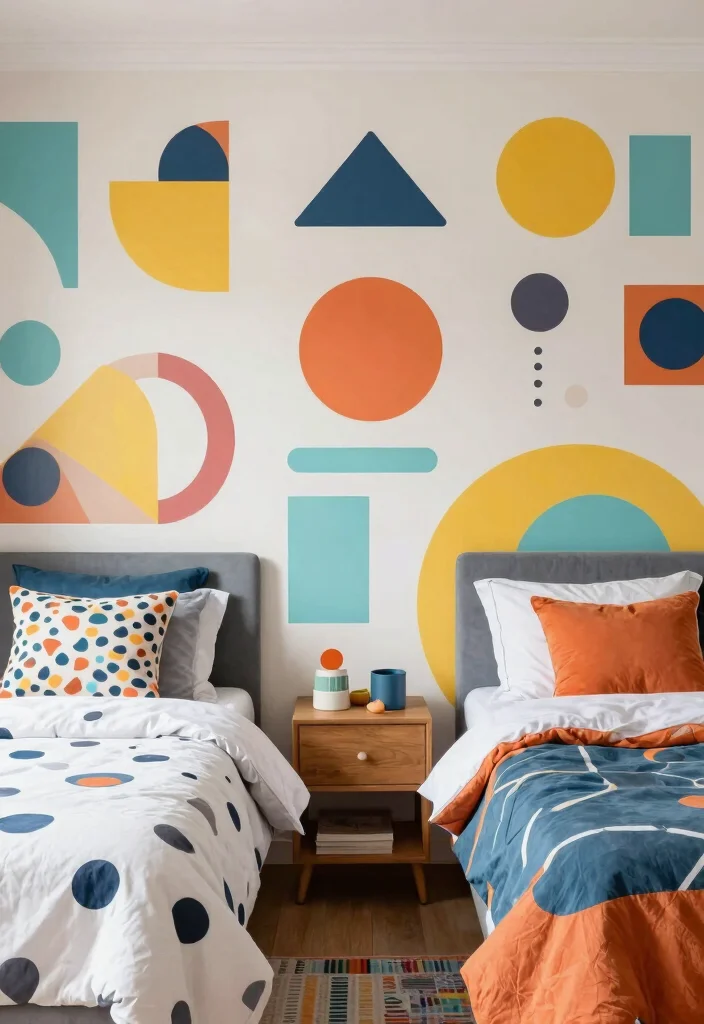
Creating an accent wall can dramatically transform the look of a room without overwhelming the space. Select a fun wallpaper or paint design that reflects your kids’ interests or delivers a burst of color.
You can opt for bold patterns, stripes, or even a mural that serves as a focal point in the room. An accent wall can enhance the backdrop for beds or play areas, making it a central feature.
Accent wall ideas:
– Bold geometric patterns for a contemporary feel
– Fun murals depicting their favorite characters
– Soft stripes or polka dots for a playful vibe
Accent walls are an effective way to infuse personality into the room while maintaining an overall cohesive and enjoyable design.
17. Incorporating Nature Inside
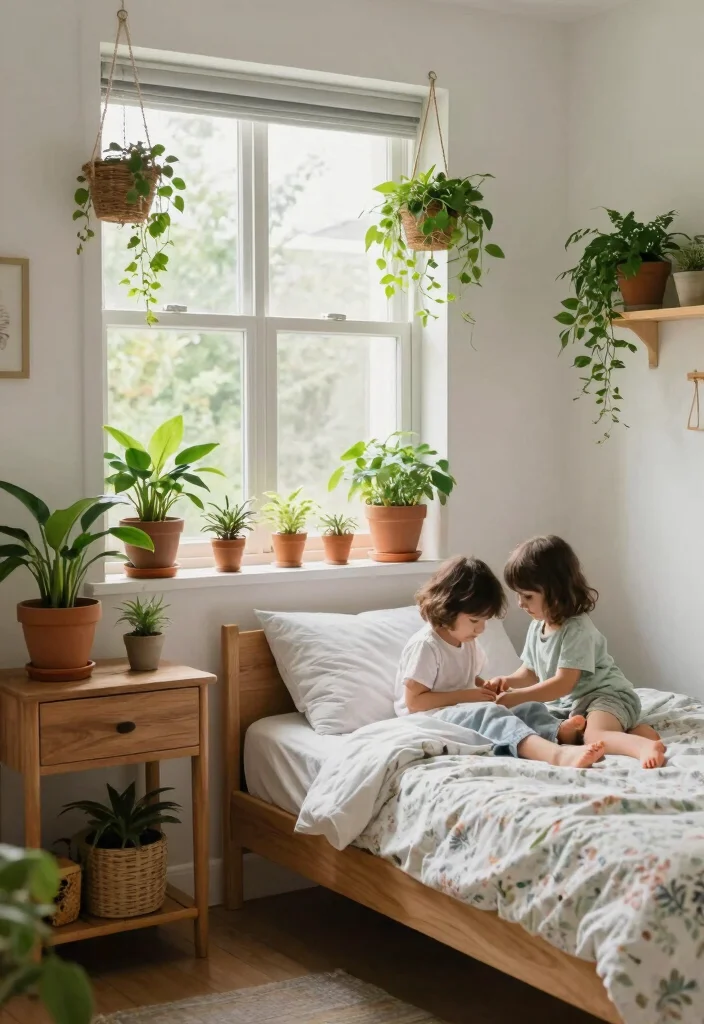
Bringing elements of nature into a small bedroom can develop a calming and refreshing atmosphere. Integrating plants or nature-inspired decor enhances the overall ambiance. Consider selecting low-maintenance indoor plants that add vibrant green accents to the space.
Natural wood furniture pieces or decor featuring floral patterns contribute to the serenity of the room. This approach not only beautifies the space but also promotes a healthier living environment.
Nature decor tips:
– Incorporate potted plants or hanging planters for greenery
– Choose natural wood finishes for furniture and shelving
– Select bedding and decor with nature-inspired patterns
These elements work together to create a peaceful haven for your kids to grow, learn, and play.
Conclusion
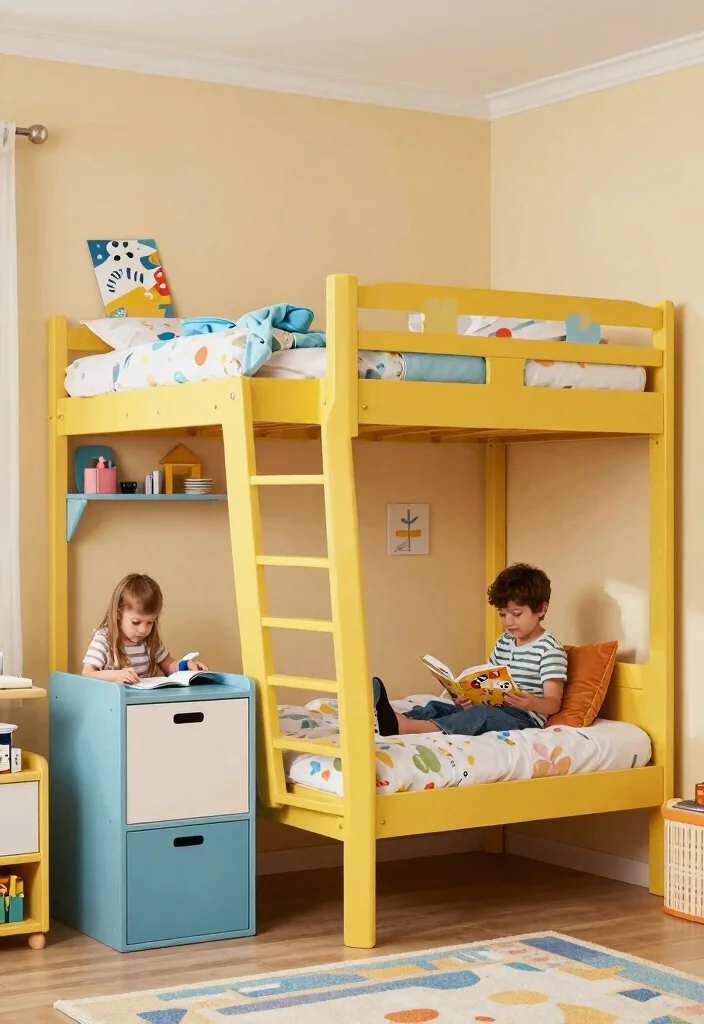
Designing a small bedroom for two kids doesn’t have to be a daunting task. With thoughtful planning and creative solutions, you can create a fun and functional space that caters to their needs and personalities.
From playful themes to clever storage solutions, these ideas inspire a harmonious environment where your kids can thrive. Embrace the journey of transforming their shared space into a special haven that reflects who they are. Happy decorating!
Frequently Asked Questions
How can I maximize space in a small bedroom for two kids without sacrificing comfort?
In a small bedroom for two kids, every inch counts. Start with vertical storage and space-saving furniture like bunk beds or a loft with a desk to free floor space.
Use built-in or wall-mounted shelves, floating nightstands, and tall wardrobes to maximize storage without crowding the floor. Consider under-bed drawers or pull-out organizers for clothes and toys, plus labeled bins to keep shared items easy to find.
Design zones by function (sleep vs. study) using area rugs or a low bookcase as a divider, and choose furniture with multiple purposes to keep the room feeling calm and uncluttered.
What are some space-saving furniture ideas for a shared bedroom on a budget?
On a budget, space-saving furniture can transform a room without a huge price tag. Look for bunk beds or twin-over-twin configurations, a captain’s bed with built-in drawers, or modular units that can be reconfigured as kids grow. Add a fold-down or wall-mounted desk to save floor space, and choose standing or wall-mounted storage like shelves and hooks. Reclaimed or second-hand pieces can be stylish and affordable, and pair them with affordable organizers (fabric bins, clear boxes) to keep shared bedroom decor cohesive.
How do I pick playful color schemes for a shared bedroom decor that works for two kids?
To pick playful color schemes that feel cohesive in shared bedroom decor, start with two main neutrals and add one or two bright accents. Let each kid choose a color token (bedding, wall art, or small accessories) so they feel a sense of ownership. Use removable accents on one wall or furniture to try bold ideas without committing. Balance hues across zones (calming tones for sleep areas, energizing colors for study/play). This approach keeps the room lively yet balanced and helps avoid clashes in a small space.
What functional storage solutions help keep a small bedroom for two kids neat and clutter-free?
What functional storage solutions help keep a small bedroom for two kids neat and clutter-free? Try under-bed drawers, labeled bins, and multi-purpose furniture (beds with drawers, a storage ottoman). Use vertical storage with high shelving and wall-mounted organizers to keep the floor clear. Over-the-door organizers, pegboards, and hooks maximize wall space for backpacks, coats, and toys. Create a simple rotation system for toys and books to reduce daily mess.
How can I create distinct zones (sleep, study, play) in a small bedroom for two kids to reduce conflicts?
To create distinct zones (sleep, study, play) in a small bedroom for two kids and reduce conflicts, plan the layout first. Place separate beds or a bunk setup with a clear night-time area. Use a low divider or a bookcase as a visual boundary, plus different area rugs to define zones. Position a shared desk or two small desks along one wall to keep study areas compact, and use color cues or labeled storage to reinforce ownership for each kid. A cohesive shared bedroom decor with clearly defined zones helps siblings coexist more happily.
Related Topics
small bedroom for two kids
shared bedroom decor
kids bedroom design
space-saving furniture
functional storage solutions
playful color schemes
creative layouts
budget-friendly decor
multifunctional design
sibling room ideas
easy organization tips
compact living