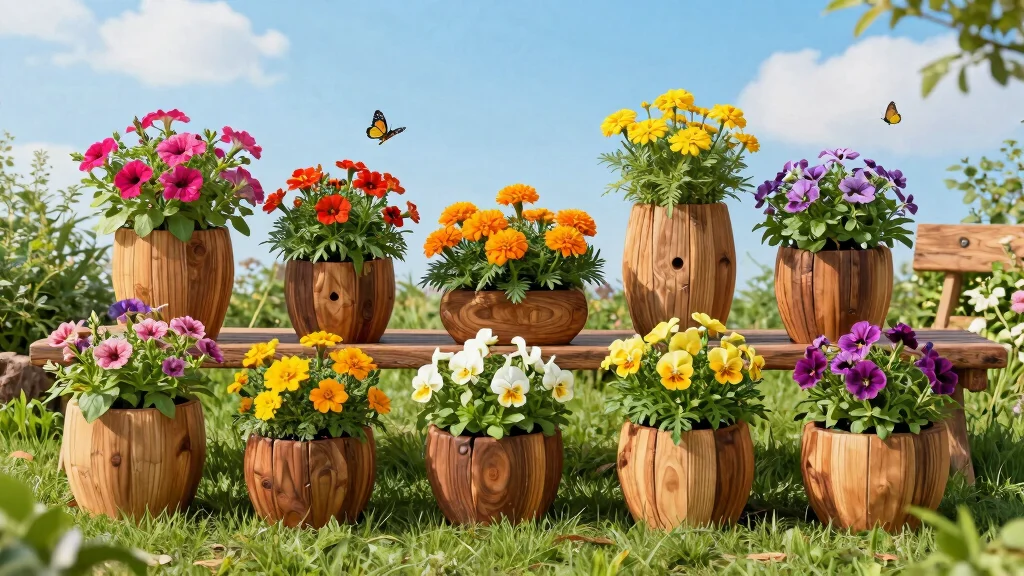
Gardening has a special way of connecting us to nature. Whether you’re an experienced gardener or just starting, you know the struggle of finding the right containers for your flowers. You want something that not only looks good but also stands the test of time. That’s why I created this post about wood flower pots that don’t rot or split over time. With the right wood, you can enhance your garden while ensuring durability and sustainability.
If you’re passionate about eco-friendly gardening and want to avoid constantly replacing your planters, you’re in the right spot. This guide is crafted for gardeners looking for solutions that are durable and blend beautifully into their outdoor spaces. You’ll discover a collection of twelve exceptional wood flower pots that bring both style and longevity to your gardening experience.
Get ready to explore durable flower pots made from materials like cedar, redwood, and even bamboo. Each option promises to keep your garden thriving without the hassle of decay or splitting. By the end of this post, you’ll have a clear idea of which wood flower pots fit your needs and how to select the best ones for your garden.
Key Takeaways
– Discover 12 types of wood flower pots that resist rot and splitting, ensuring your plants thrive year after year.
– Learn about the benefits of using specific woods like cedar and redwood, known for their natural resistance to weather and pests.
– Explore eco-friendly options like bamboo and composite wood that provide both sustainability and durability.
– Get practical tips on how to maintain your wooden planters to extend their life and keep your garden looking fresh.
– Understand the importance of choosing the right materials to create a long-lasting and beautiful outdoor space.
1. Cedar Wood Planter Box
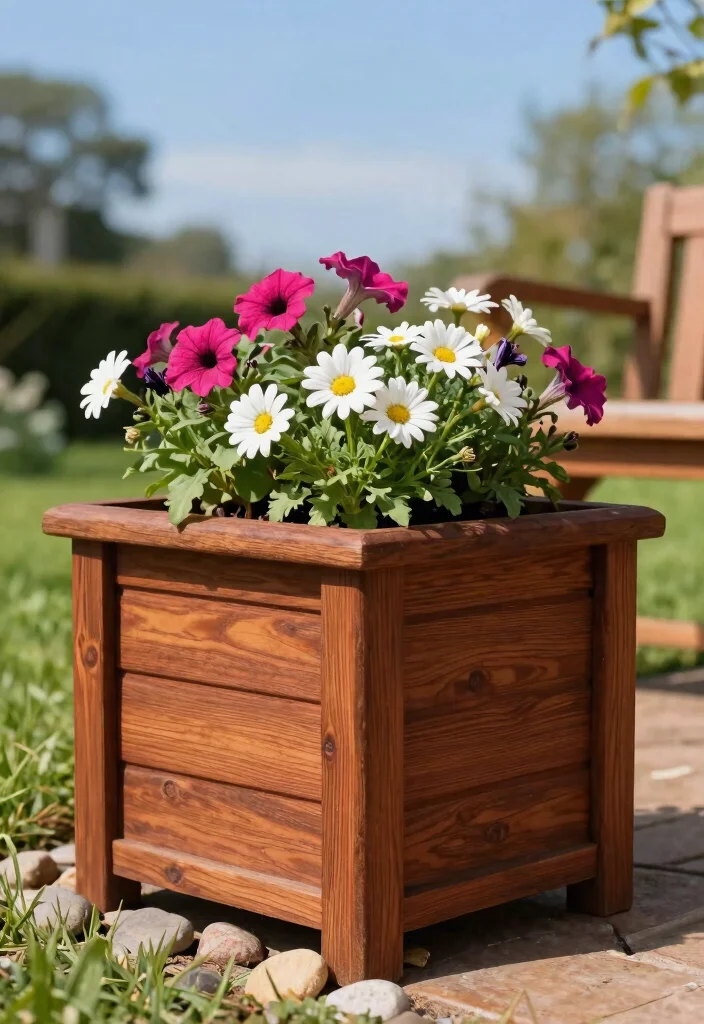
Cedar wood planter boxes are celebrated for their natural decay resistance and inviting aroma. This wood not only enhances the beauty of your garden with its warm reddish tones but also repels pests, creating a healthy environment for your plants. Imagine a garden filled with vibrant blooms nestled within these stunning pots, offering a visual treat.
To make the most of cedar’s appeal, consider lining the insides with landscaping fabric to keep soil intact while ensuring proper drainage. Regularly treating your pots with wood oil can preserve their beauty and extend their lifespan, making cedar a sustainable choice.
Consider these tips to enhance your garden with cedar pots:
– Pair cedar pots with colorful flowers for striking contrast
– Install them in clusters for a fuller look
– Use varied heights to create visual interest
– Incorporate decorative stones at the base for added charm
This approach not only elevates the aesthetic but also highlights the natural textures, making your garden a delightful retreat.

CULTIVATE AN EXQUISITE HERB OASIS |Our Food-safe Elevated Outdoor Plant Box Presents an Attractive and Functional Layout for Cultivating Your Beloved Herbs, Vegetables, Fruits, Blossoms & Other Greenery Above the Soil | A Breathtaking Complement to Every Cozy Nook! "

100% Authentic Cedar Wood: Our garden bed is constructed using sustainably sourced cedar wood, known for its durability against the elements.

Elevate Your Outdoor Oasis: Introducing All Things Cedar's Premium Cedar Box Planter, the epitome of natural beauty and craftsmanship. Transform your outdoor space into a luxurious sanctuary with our handcrafted, cedar planter.
2. Treated Pine Planters
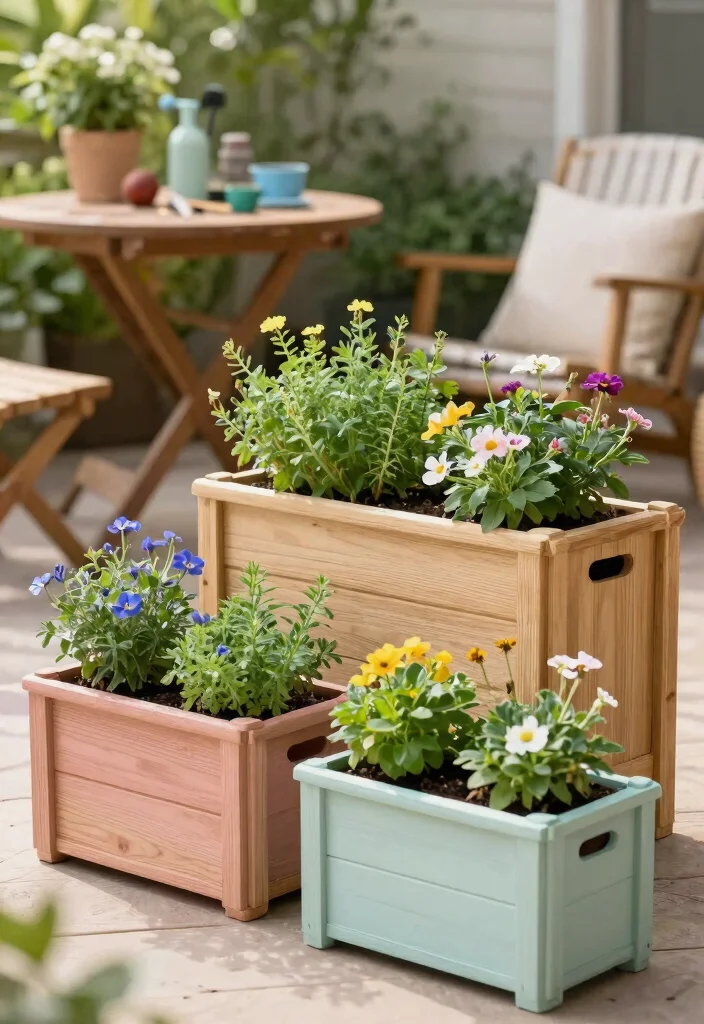
Treated pine planters offer an attractive and budget-friendly option for outdoor gardening. Their treatment process ensures long-lasting resistance to rot and pests, making them perfect for various climates. The light color of treated pine provides a blank canvas that you can easily customize with paint or stain to match your garden’s vibe.
Lightweight and easy to move, these planters allow you to shift your garden design effortlessly. They also feature excellent drainage to keep your plants thriving and healthy.
Here are some ideas for using treated pine planters:
– Group multiple planters filled with herbs for a kitchen garden
– Use them to create a layered effect in your planting area
– Paint them in bright colors for a whimsical touch
– Incorporate gravel in the bottom for improved drainage
With these tips, your garden will not only look stunning but also provide a welcoming space that brings joy and relaxation.
Fun fact: treated pine planters can resist rot for 5-7 years, even in damp climates. Their light color is a blank canvas for paint or stain, making Wood Flower Pots easy to customize. Lightweight and great drainage help you rework your garden design in minutes.
CLASSIC DESIGN: Featuring a stunning design, this shallow bowl planter has a pottery-like finish and a classic design that features a complementary range of colors that seamlessly blend into modern and traditional settings.

DESIGN DETAILS: This cube planter box features a clean slatted design and light wood finish that works well with outdoor furniture, patio furniture, and garden furniture setups. The square profile gives plants a neat, structured look while fitting easily into compact or open spaces. Use it as a wooden flower box for flowers, herbs, or greenery on the patio, balcony, porch, garden, deck, or in indoor spaces such as an entryway, sunroom, or covered living area.

HIGH-QUALITY ACACIA WOOD CONSTRUCTION: Our garden boxes outdoor raised are crafted from durable Acacia wood; The unique wood grain enhances your space, ideal for decorating or growing plants
3. Redwood Barrel Planters
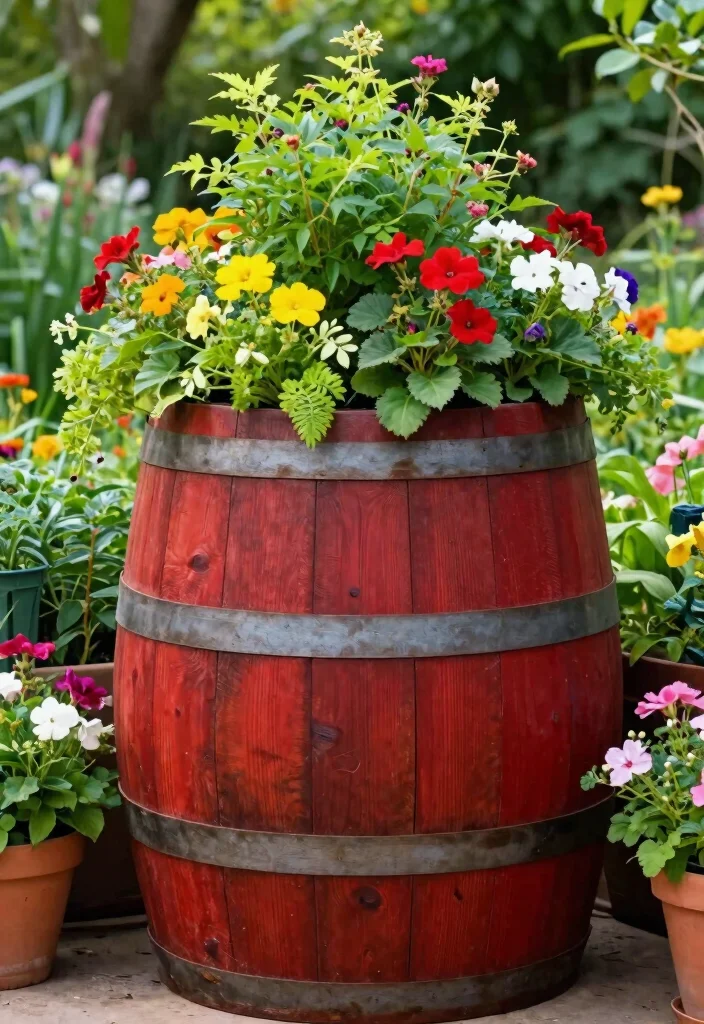
Redwood barrel planters infuse your garden with rustic charm and character. Their unique shape and rich colors create beautiful focal points, making them perfect for showcasing larger plants and small trees. Thanks to their rot-resistant nature, these barrels provide a reliable home for your plants while enhancing the garden’s overall aesthetics.
The cylindrical design promotes healthy root growth and excellent drainage, ensuring your blooms flourish. These planters not only serve as functional containers but also add a stunning design element to your outdoor space.
Enhance your garden with redwood barrels by:
– Mixing annuals and perennials for a vibrant display
– Arranging them at varying heights for added drama
– Using them as a backdrop for climbing plants
– Incorporating decorative stones around the bases for a polished look
This combination of beauty and practicality ensures your garden remains a captivating retreat through every season.

【A Plant's Dream Home】 Your plants will love this raised garden bed. This flower bed is 40 inches long, 12 inches wide and 12 inches high. Your plants have plenty of room to stretch out their bodies. This wooden planter box allows your plants to blend in with nature in a more harmonious way than a metal one!

PLENTY INNER SPACE -- The whole garden planter set holds up 102.5 cm L × 32 cm W × 22.5 cm H / 40.4″ L × 12.6″ W × 9″ H of inner space, which provides plenty of room for all of your vegetables, flowers, and any other plants

PRO-GRADE WOOD SEALER FOR OUTDOOR USE: Upgraded pro-grade formula designed for outdoor wood projects. Penetrates into wood fibers to help reduce moisture absorption and surface wear caused by sun and changing weather. Suitable for raised garden beds, planter boxes, fences, and other non-coated outdoor wood surfaces.
4. Larch Wood Planters
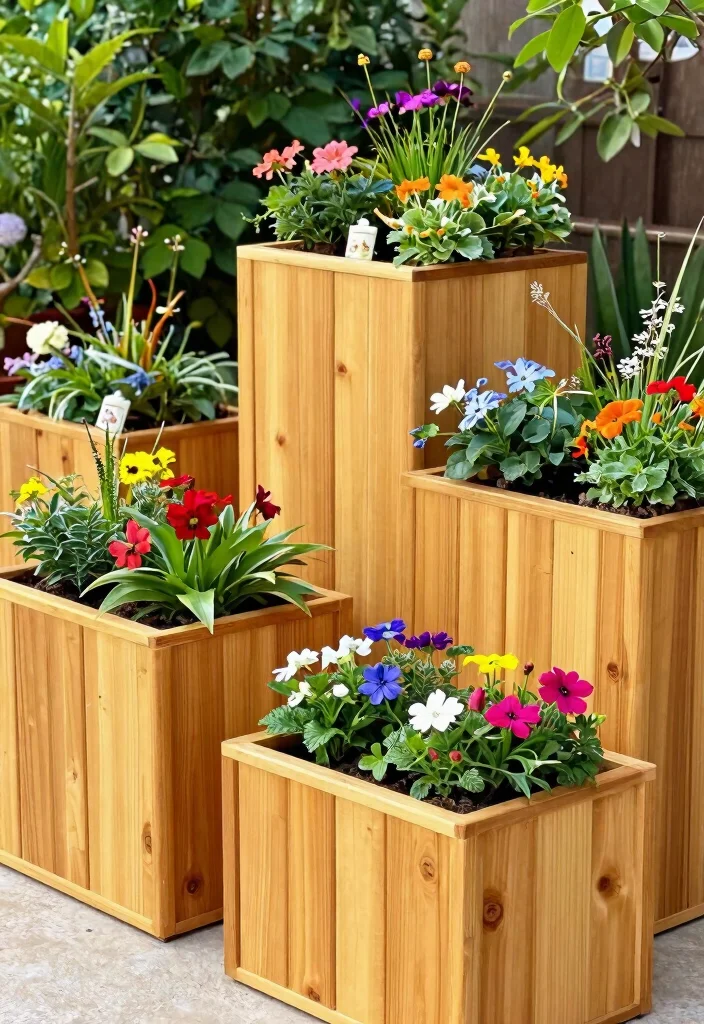
Larch wood planters are renowned for their durability and natural resistance to decay. With their warm tones and inherent oils, they provide a robust option for outdoor gardening, keeping your plants healthy and vibrant. Their ability to withstand harsh weather without splitting makes them an excellent investment for any garden.
A simple application of linseed oil can further enhance their water resistance, ensuring longevity. Using larch planters allows you to create a cohesive look throughout your garden, showcasing various plants in style.
Here are some ways to utilize larch wood planters:
– Incorporate various sizes for different plant types
– Use them to create a textured garden layout
– Pair with natural stone paths for a harmonious look
– Arrange them in clusters for a lush appearance
This thoughtful design not only beautifies your space but also reflects the natural elegance of larch wood.
Fun fact: Larch wood planters resist decay for longer outdoors thanks to natural oils and dense grain. Applied linseed oil can boost water resistance, helping pots stay sturdy through harsh weather. With proper care, these wood flower pots keep plants healthy season after season.

Made with Recycled Materials: A blend of recycled plastic, stone powder, and wood dust, PSW Pots are eye-catching and long-lasting for mindful gardening.
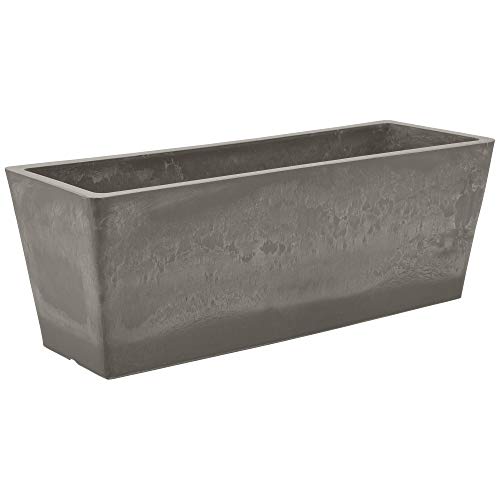
LIGHTWEIGHT & DURABLE: When the look and durability of a concrete planter is wanted without the unyielding weight and breakability factor, this PSW window box-shaped planter fits the quest. It’s well-crafted while notably lightweight.
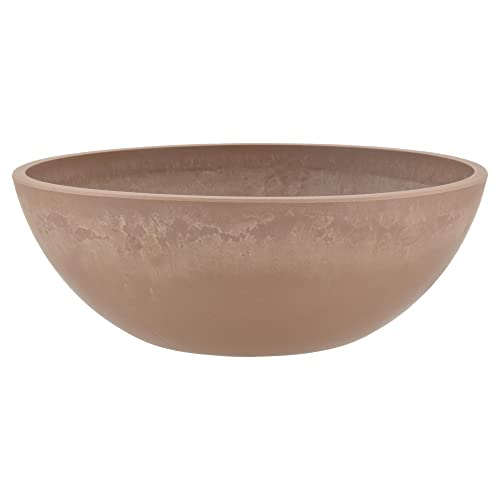
Made with Recycled Materials: A blend of recycled plastic, stone powder, and wood dust, PSW Pots are eye-catching and long-lasting for mindful gardening.
5. Composite Wood Pots
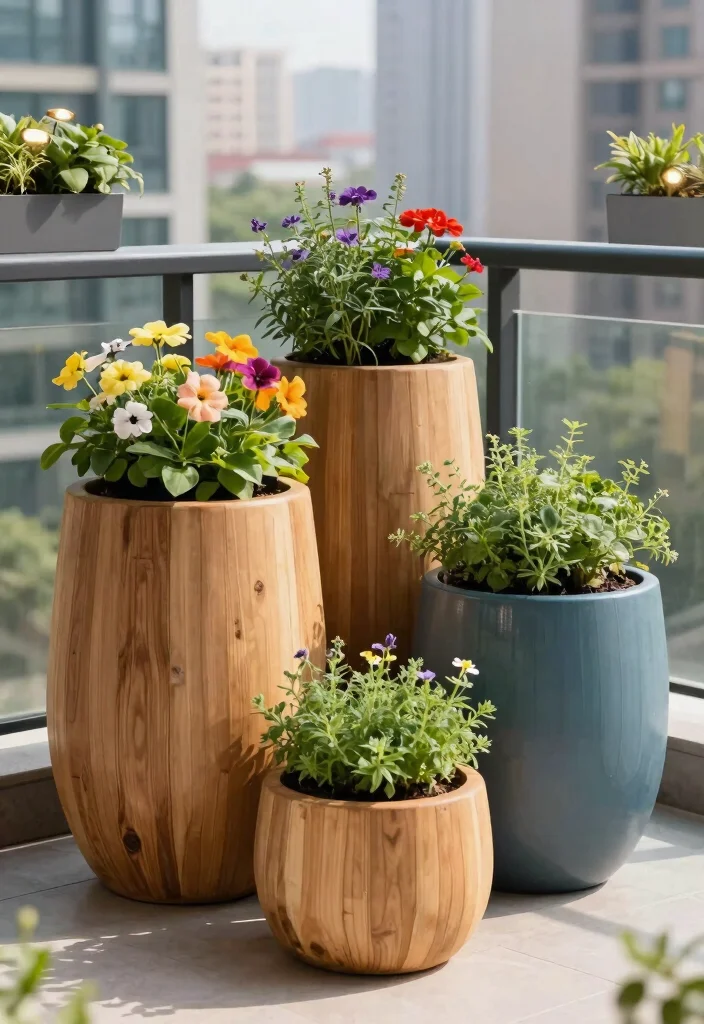
Composite wood pots bring a modern flair to traditional gardening. Constructed from a blend of recycled materials, these pots are exceptionally durable and resistant to rot. Their weather-resistant nature makes them ideal for outdoor settings, ensuring they maintain their appealing appearance despite the elements.
The versatility of composite wood pots allows them to come in various styles and colors, making it easy to find the perfect match for your garden. Their lightweight design means you can rearrange them whenever inspiration strikes.
Maximize your gardening potential with these tips:
– Pair with vibrant blooms for an eye-catching display
– Use high-quality potting mix for optimal growth
– Create a layered effect by varying pot sizes
– Combine with other materials for an eclectic look
By incorporating composite wood pots, you’ll enhance your garden’s modern aesthetic while supporting sustainable practices.

Large Size and Wood Combination: MIXC raised garden beds is made of untreated fir wood, which resists warping and splitting over time better than cedar. The support part is made of Pinus radiata with better load-bearing properties. Dimension: 48”(L) X 24.4”(W) X 31”(H). With 5-6 cubic feet of space and a 9-inch depth, our garden bed offers generous room for your plants flowers and vegetables to breathe and thrive outdoors

ORGANIZED 10 GRID PLANTING: Modular raised garden bed planter with 10 individual growing compartments keeps herbs vegetables flowers separated for easier crop rotation gardening includes plant markers liners ideal for patio balcony backyard herb garden
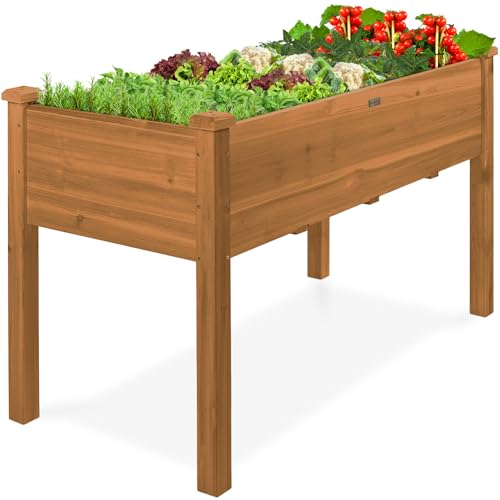
LARGE PLANTING SPACE: Designed with a long bed space (5CuFt) deep enough to provide your plants and vegetables with ample room to breathe and grow healthy
Key Trade-offs & Our Top Pick
Choosing the right wood flower pot can feel overwhelming. With different types available, it’s essential to weigh the pros and cons. Let’s break down a few popular options to help you make an informed decision.
Cedar Wood Planter Box
– Pros:
– Naturally resistant to rot and insects.
– Lightweight and easy to move.
– Attractive grain that enhances garden aesthetics.
– Cons:
– Can be pricier than other options.
– Needs regular sealing to maintain longevity.
– May warp if not cared for properly.
– Best for: Those wanting a beautiful, eco-friendly option that looks great in any garden setting.
Treated Pine Planters
– Pros:
– Cost-effective compared to other wood types.
– Treated to resist moisture and pests.
– Readily available and easy to find.
– Cons:
– Chemicals used in treatment may not be eco-friendly.
– Can splinter over time if not protected.
– Shorter lifespan compared to naturally rot-resistant woods.
– Best for: Budget-conscious gardeners who need durable pots for a variety of plants.
Redwood Barrel Planters
– Pros:
– Naturally resistant to rot and decay.
– Rustic, charming look perfect for outdoor gardens.
– Thick wood offers excellent insulation for roots.
– Cons:
– Heavier and harder to move once filled.
– More expensive than other wood options.
– Limited availability in some areas.
– Best for: Gardeners looking to make a statement with a stylish, long-lasting container.
Composite Wood Pots
– Pros:
– Made from recycled materials, making them eco-friendly.
– Do not warp or crack easily.
– Resistant to fading and weather conditions.
– Cons:
– Can be expensive depending on the brand.
– Limited aesthetic appeal compared to natural wood.
– Not biodegradable, which could be a concern for some gardeners.
– Best for: Environmentally conscious gardeners who still want the look and feel of wood without the drawbacks.
Bamboo Planters
– Pros:
– Fast-growing and sustainable material.
– Lightweight and easy to handle.
– Naturally resistant to moisture and pests.
– Cons:
– May not last as long in extreme weather.
– Can be less durable than traditional wood options.
– Limited style choices available.
– Best for: Sustainable gardeners looking for unique, lightweight pots.
Expert Recommendation:
Best Overall: Cedar Wood Planter Box
Cedar wood planter boxes offer a fantastic blend of beauty, durability, and natural resistance to rot. This makes them a wise investment for gardeners who want a pot that will last and enhance their garden’s look. Plus, their lightweight design means you can easily rearrange your plants as needed. Cedar’s natural oils repel insects, making it a safe option for growing all types of flowers and vegetables.
Why We Picked This:
While cedar wood is our top choice, some may prefer treated pine for its affordability or composite wood for its eco-friendliness. Consider your garden’s needs and your budget before making a final decision. Each option has its unique strengths and weaknesses, so choose the one that best fits your gardening style and environmental values. With the right pot, your plants will thrive, and your garden will flourish! 🌿

SPACIOUS PLANTING AREA:The 48"L × 24"W × 30"H raised garden bed provides ample space for vegetables, herbs, flowers, and fruits. Its spacious design supports healthy plant growth with a 300 lb weight capacity.

Elevate Your Garden - Opt for a brilliantly engineered raised garden bed to revolutionize your gardening. Its spacious design, measuring 48x24x30 inches, allows for the cultivation of multiple vegetable varieties alongside a plethora of herbs, optimizing your gardening space for ease and diversity.

HEAVY DUTY CEDAR WOOD CONSTRUCTION Crafted from solid, rot-resistant cedar wood for long-lasting outdoor use. Built stronger than mass-produced garden beds found in big box stores.
6. Birch Bark Planters
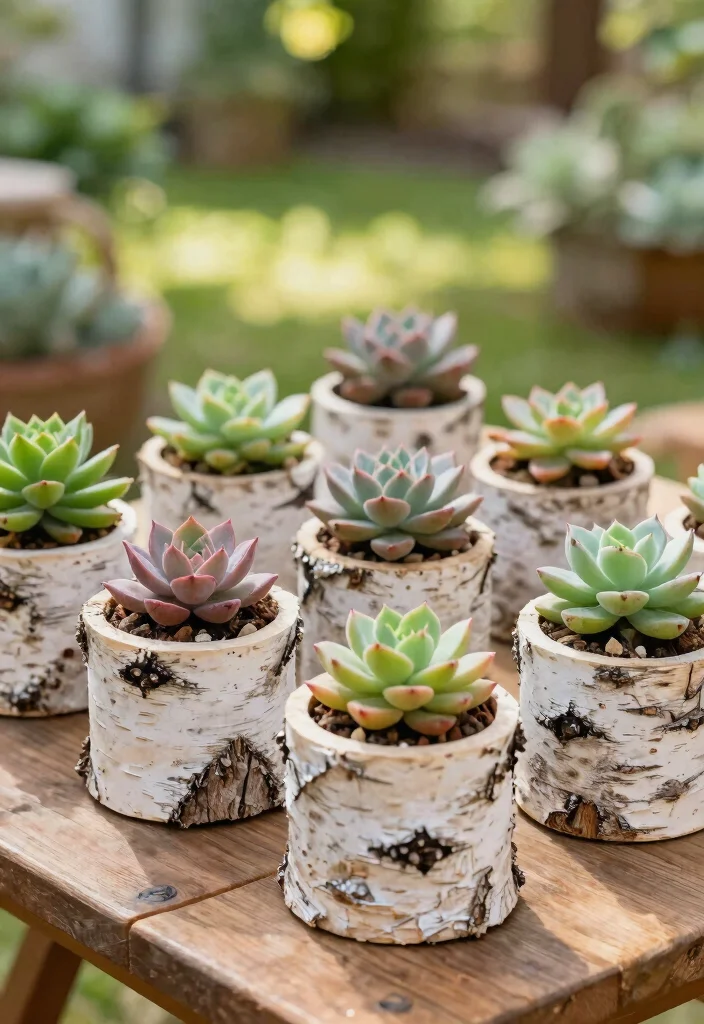
Birch bark planters offer a unique, organic touch that beautifully enhances any garden. Made from real birch bark, these pots provide excellent aeration for roots while retaining moisture, ensuring healthy plants. Their distinct appearance brings a natural ambiance that captivates the eye, making them perfect for both indoor and outdoor settings.
To extend the lifespan of these charming pots, consider treating them to improve water resistance. Their natural aesthetics make them ideal for smaller plants or succulents, which thrive in these delightful containers.
Here are some ideas for your birch bark planters:
– Fill with vibrant succulents for a striking contrast
– Use them as decorative accents on your porch
– Create a themed garden with multiple bark pots
– Gift them to friends who love nature-inspired decor
This unique choice adds character to your garden while celebrating the beauty of natural materials.

High-Quality Fir Wood Construction: Made from solid fir wood, these square planter boxes feature a naturally weather-resistant finish. The natural wood grain adds a rustic touch to any space, suitable for growing flowers, herbs, vegetables, and succulents, and blending with patio, garden, or porch decor.
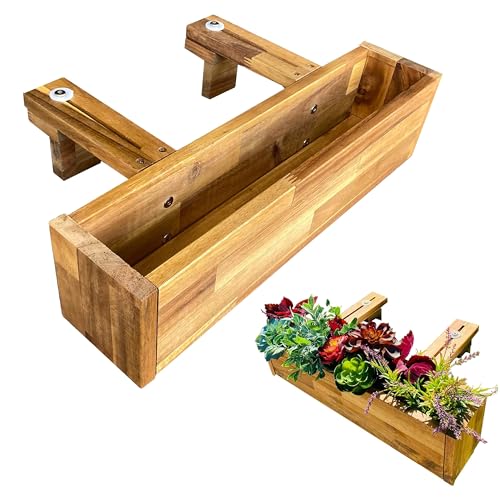
ELEGANT & CHARMING: These rectangular wooden planters showcase succulents, herbs, flowers, and plants and can convert even the smallest outdoor space into a charming garden sanctuary; Add soil directly to the box or use it as a flower pot holder
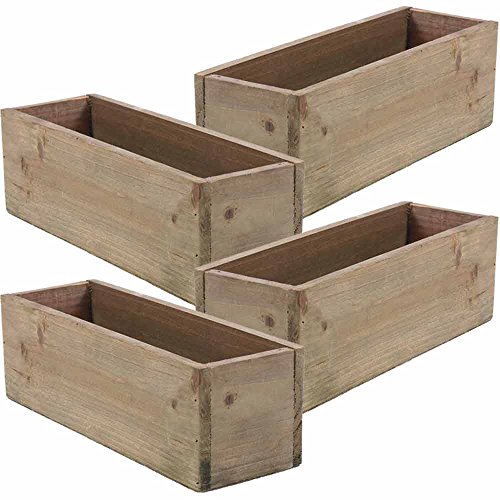
MULTI PACK - Each Set includes 4 individual planter boxes with plastic liner
7. Oak Tree Planters
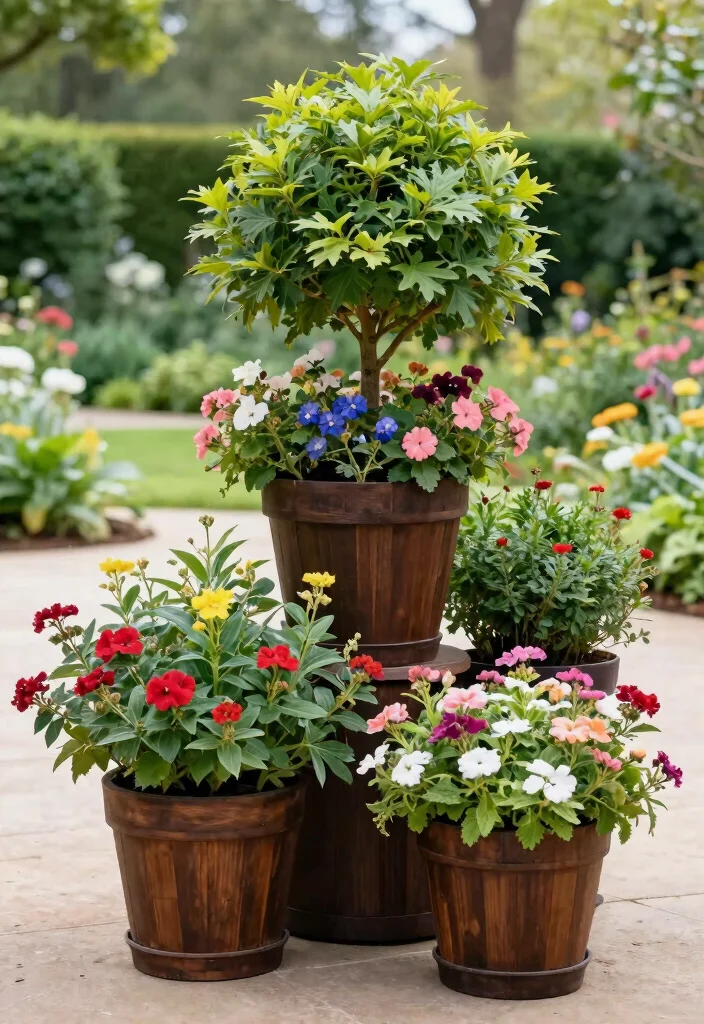
Oak tree planters are crafted from one of nature’s strongest woods, making them exceptionally durable and resistant to decay. Their rich brown tones add elegance, seamlessly blending with various garden styles. Oak’s natural UV resistance keeps your pots looking fresh even after extended sun exposure, which is a significant advantage for outdoor gardening.
These planters ensure excellent drainage, critical for maintaining healthy plants and preventing waterlogging. Their sturdy design makes them perfect for larger flower arrangements or small shrubs, creating stunning focal points in your garden.
Enhance your garden with oak tree planters by:
– Grouping them for a layered effect
– Filling with seasonal blooms for continuous color
– Using them to anchor garden pathways or borders
– Pairing with natural stone for an earthy feel
Over time, these beautiful planters will develop a unique character, ensuring they remain a cherished feature in your outdoor space.

Wooden Material: Made of wood with a sturdy and stable frame, these planter boxes are suitable for everyday use and bring a rustic style to desks, shelves, patios, balconies, and garden spaces.
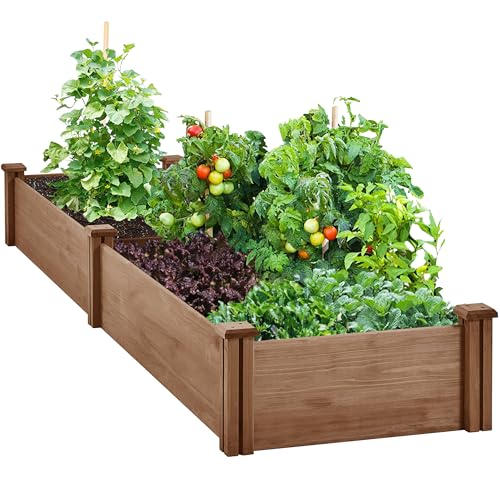
【Multifunctional】This garden planter is separated into two growing areas for different plants or planting methods. The baffle can be removed to form a bigger growing area. You can also buy several garden beds to design and build your own dream garden.

100% Authentic Cedar Wood: Our garden bed is constructed using sustainably sourced cedar wood, known for its durability against the elements.
8. Bamboo Planters
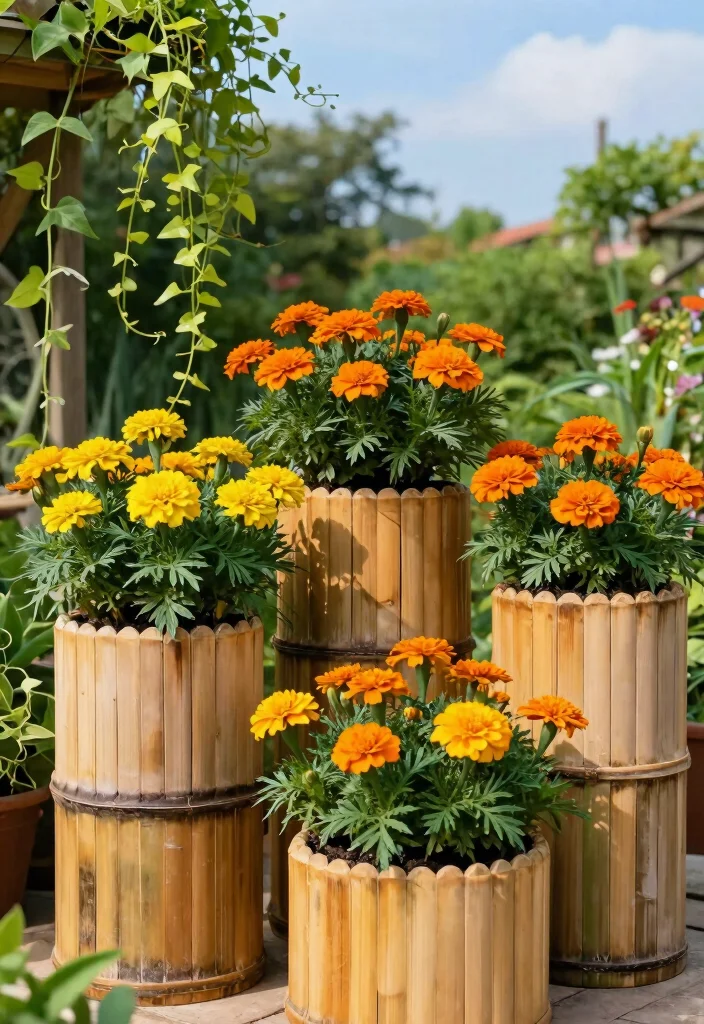
Bamboo planters provide an eco-friendly option that beautifully combines style and sustainability. Known for its rapid growth and renewability, bamboo is an excellent choice for environmentally conscious gardeners. These lightweight yet robust pots add a unique aesthetic, brightening any garden space with their natural charm.
Bamboo’s inherent water-resistant properties make it suitable for outdoor use, but it’s essential to protect them during extreme weather for longevity. Fill bamboo planters with vibrant flowers or trailing vines to create a cozy, tropical environment.
Consider these tips for using bamboo planters:
– Pair with other natural materials for a cohesive look
– Use them to highlight focal points in your garden
– Create a casual seating area with bamboo accents
– Incorporate colorful plants for added vibrancy
This approach not only promotes sustainability but also enhances your garden’s overall appeal.
Fun fact: Bamboo can grow up to 1 meter in a single day under ideal conditions. That rapid renewability makes bamboo planters a top pick for wood flower pots—conscience-friendly, lightweight, and stylish for any sustainable garden.

FOR PLANTS WITH SHALLOW ROOTS: This bowl is ideal for plants that don’t have deep roots, including various bulbs, succulents, herbs, bamboo, bonsai, microgreens, and more.

Made with Recycled Materials: A blend of recycled plastic, stone powder, and wood dust, PSW Pots are eye-catching and long-lasting for mindful gardening.

Made with Recycled Materials: A blend of recycled plastic, stone powder, and wood dust, PSW Pots are eye-catching and long-lasting for mindful gardening
9. Eco-Friendly Teak Pots
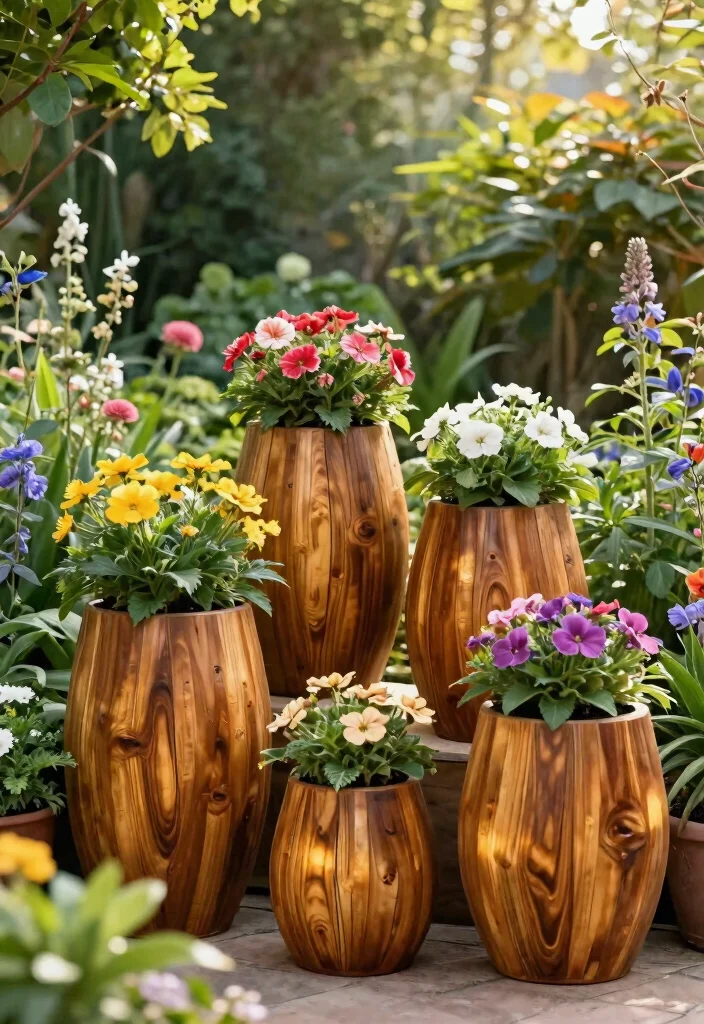
Teak pots are an elegant option that merges luxury with sustainability. Renowned for their water-resistant properties, teak is incredibly durable, making them an ideal choice for outdoor gardening. Over time, these pots develop a rich golden hue that transforms into a stunning silver patina, enhancing their beauty.
Teak’s natural pest resistance ensures your plants remain healthy and vibrant, while its versatility in size allows you to mix and match to fit your aesthetic. For optimal growth, use high-quality potting mix and ensure proper drainage in each pot.
Consider these ideas for incorporating teak pots:
– Create a sophisticated display with varied plant heights
– Use them for herbs in your kitchen garden
– Pair with modern furniture for an upscale look
– Arrange multiple pots to form a stunning centerpiece
With teak pots, not only will you elevate your garden’s elegance, but you’ll also enjoy a lasting investment in quality.

AMPLE PLANTING SPACE: Designed with a long bed space (2.65 CuFT) deep enough to provide your plants and vegetables with ample room to breathe and grow healthy; perfectly sized for kids and other fledgling gardeners!

Generous Planting Space: Ample bed space provides your plants and vegetables with room to thrive, promoting healthy growth and robust yields.

PLENTY INNER SPACE -- The whole garden planter set holds up 46″ L × 23.5″ W × 16″ H of inner space, which provides plenty of room for all of your vegetables, flowers, and any other plants
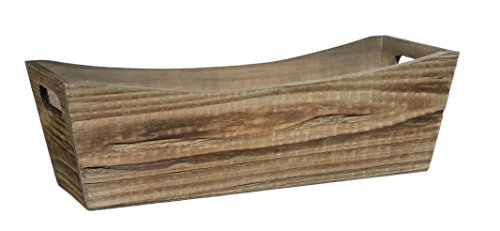
10. Rustic Wood Crates
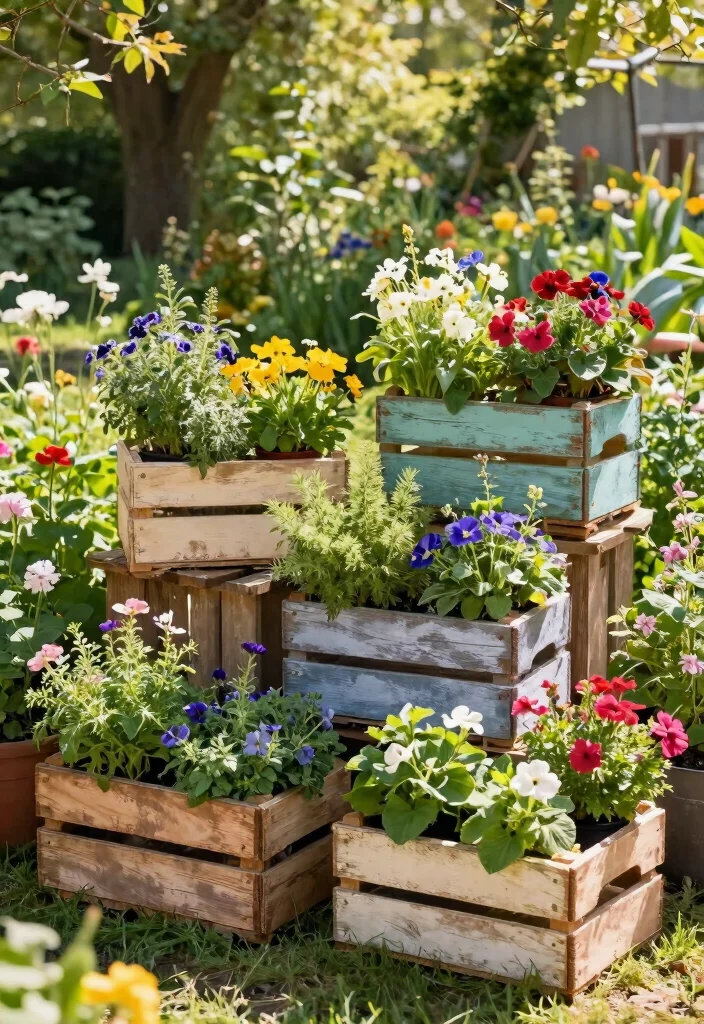
Rustic wood crates offer charming garden containers filled with character. Often crafted from reclaimed wood, they add an eco-friendly touch to your gardening efforts. These versatile crates can house everything from herbs to seasonal flowers, providing ample space for roots to thrive.
Their rustic style complements any garden theme, from modern to traditional, and can be painted or stained for a personalized touch. Crates are also stackable, allowing you to maximize vertical space creatively.
Here are some ways to use rustic wood crates:
– Line with burlap to retain moisture while draining
– Use them as decorative stands for potted plants
– Create a layered garden effect with stacked crates
– Arrange flowers by height for visual interest
These charming crates not only serve practical purposes but also enhance the personality of your garden.
11. Wood Composite Raised Beds
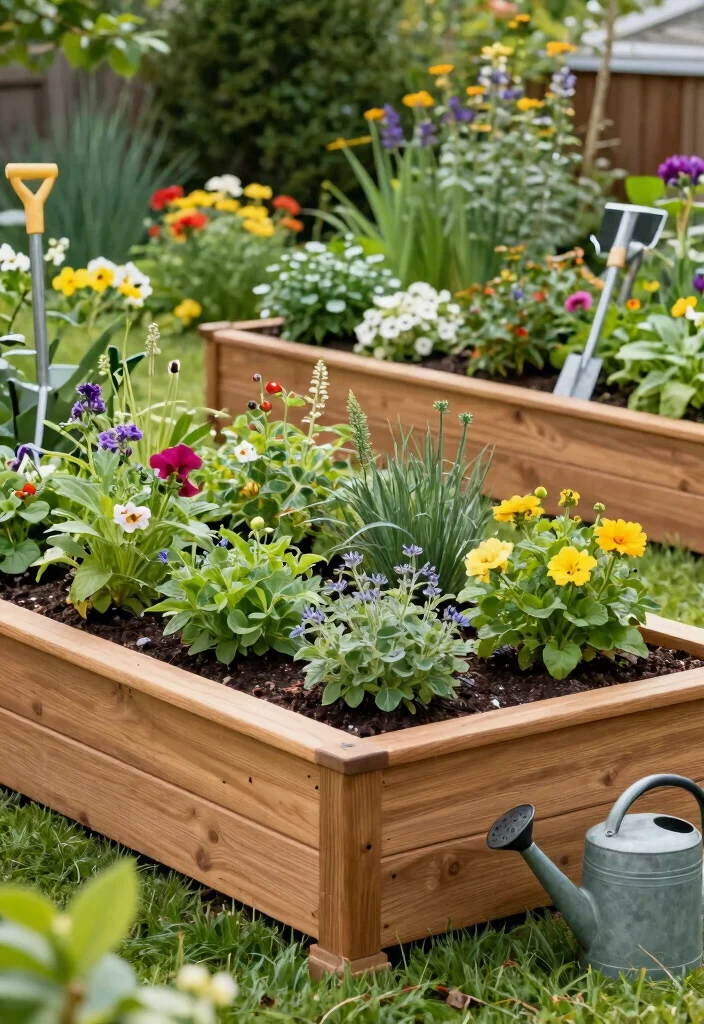
Wood composite raised beds offer a durable and sustainable gardening solution. Made from recycled materials, these beds combine strength with eco-friendliness, making them a wise choice for conscientious gardeners. Their design promotes improved drainage and easy access for planting and maintenance, ensuring a thriving garden.
Resistant to rot and weather changes, composite raised beds are a long-lasting investment. You can customize their size and style to fit your garden’s aesthetic, whether you prefer a classic or contemporary look.
Consider these ideas for your wood composite raised beds:
– Mix a variety of herbs and vegetables for a colorful garden
– Use them to create designated planting zones
– Incorporate pathways for easy access
– Enhance with decorative edging for a polished look
This thoughtful design not only beautifies your garden but also fosters a productive and enjoyable space.
12. Custom Wooden Planters
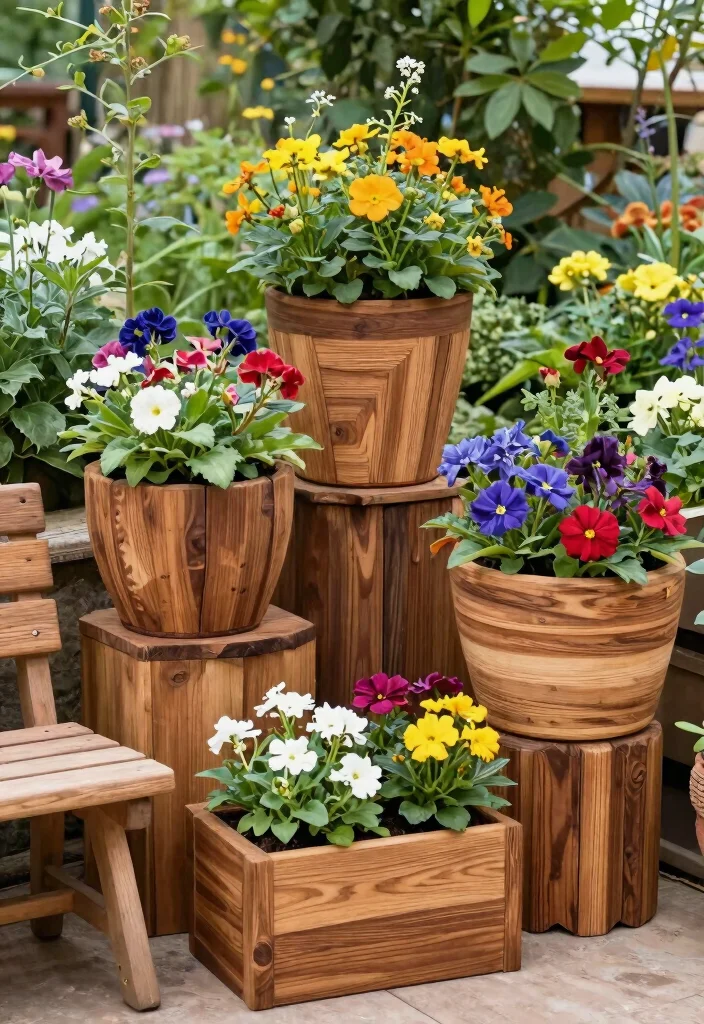
Custom wooden planters provide the ultimate solution for showcasing your unique gardening style. Tailored to specific shapes or sizes, these bespoke planters allow you to express your creativity and enhance your garden’s aesthetic. Many artisans create one-of-a-kind pieces from various timber types, ensuring a personal touch in your outdoor space.
These planters can be designed to accommodate specific plants or fit particular areas in your garden, offering incredible versatility. Opt for eco-friendly finishes to align with your sustainability values.
Elevate your garden with custom wooden planters by:
– Designing them to match your landscape’s theme
– Incorporating personalized engravings for added charm
– Using them as a statement piece in your garden
– Exploring local woodworkers for unique options
This personalized approach allows you to create a garden that reflects your passion, making it a beautiful and meaningful space.
Conclusion
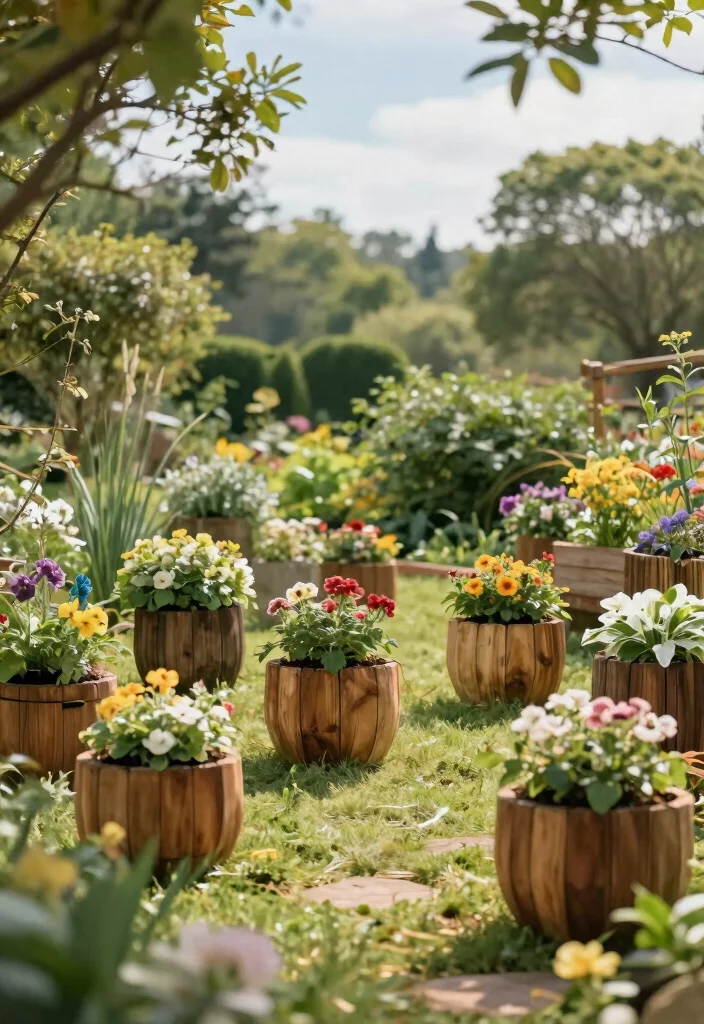
Choosing wood flower pots for your garden is a fantastic way to combine beauty with sustainability. With an array of options available, from cedar to custom designs, you can find the perfect containers to complement your plants.
These pots not only enhance the aesthetic of your space but also promote healthy plant growth while being eco-friendly. So, get inspired and start your journey to create a vibrant garden that reflects your unique style and love for nature!
Frequently Asked Questions
What makes wood flower pots durable enough for outdoor use without rot or splitting over time?
Wood flower pots stay durable outdoors when you pair the right wood with proper protection. Choose rot-resistant woods like cedar or teak and apply a weather-resistant finish to slow moisture penetration. A breathable liner protects the wood from constant soil contact while still letting excess water escape.
For longevity, ensure good drainage, elevate pots off the ground, and store them indoors during severe winter weather. Regularly inspect joints and reapply sealant each season to keep your long-lasting garden containers looking great.
Are wood flower pots as durable as plastic or ceramic options?
Wood flower pots offer eco-friendly durability, but they behave differently than plastic or ceramic. When well-made and properly treated, durable flower pots can last many seasons, especially in moderate climates. They’re lightweight, easier to move, and can be long-lasting garden containers if you choose weather-resistant wood and sealants. To maximize lifespan, use a liner, ensure drainage, and keep them out of standing water and freezing temperatures.
If you live in extreme weather, consider pairing with a weather-resistant wood planter stand or placing pots under cover to preserve their look and function.
How should I maintain wood flower pots to prevent rot or cracking?
Regular maintenance is key for wood flower pots. Start each season with a thorough wash, then reapply a protective sealant or natural oil (like tung oil) to all exterior surfaces. Keep soil away from any seams with a liner, and ensure drainage to avoid waterlogging. Inspect joints for cracks and repair or replace as needed. In winter, store indoors or under a breathable cover to extend life.
What should I look for when choosing weather-resistant wood planters for outdoor use?
When shopping for outdoor wooden planters, focus on durability and water protection. Look for rot-resistant woods like cedar or redwood, UV-stable finishes, and a good drainage system with a removable liner. Check hardware for corrosion resistance (stainless steel or galvanized), and consider plans with feet or a base to elevate from moisture. Size and design should fit your space and plant needs. A proven long-lasting garden container often comes with clear care instructions and a warranty.
Can I DIY a rot-resistant wood flower pot that lasts for years?
Absolutely. A DIY wood flower pot can become a star in your sustainable garden if you choose rot-resistant wood (cedar, redwood, or teak), use proper joinery, and seal all exterior surfaces with a weatherproof finish. Build with a removable liner to separate soil from wood, add drainage, and raise the pot on feet to promote airflow. Use a durable hardware kit and store indoors during extreme weather to maximize lifespan and ensure your eco-friendly project stays gorgeous for years.
Related Topics
wood flower pots
eco-friendly planters
durable flower pots
weather-resistant containers
long-lasting garden pots
rot-resistant solutions
sustainable gardening
outdoor wooden planters
gardening essentials
beginner gardening
DIY garden decor
seasonal planting