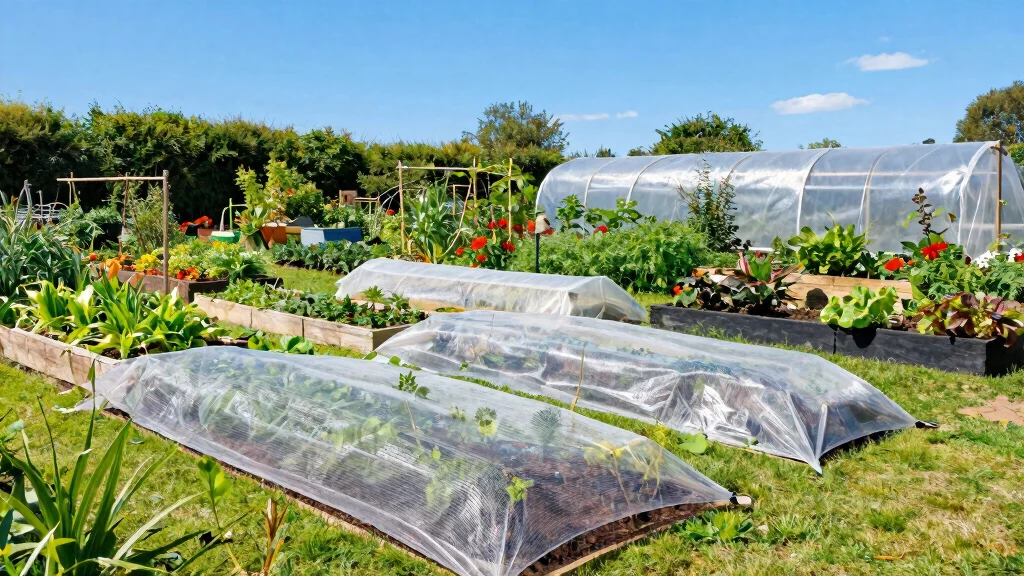
Gardening is a passion that connects us to nature, provides fresh produce, and helps us unwind. But let’s face it, every gardener knows the struggle of protecting your plants from unpredictable weather and pesky pests. That’s why I created this post—because finding the right garden covers for raised beds can make a world of difference in keeping your plants healthy and thriving throughout the year.
If you’re someone who loves cultivating a garden but feels overwhelmed by the challenges of raised bed protection, you’ve come to the right place. Whether you’re a seasoned gardener or just starting, understanding how to shield your plants from frost, UV rays, and pests is essential. This guide is specifically tailored for you, offering eco-friendly options that not only protect your plants but also align with sustainable gardening practices.
In this post, you’ll discover 14 different types of garden covers designed to meet various needs. From winter garden covers to plant frost protection, every option is crafted to enhance your gardening experience while being gentle on the environment. You’ll learn about the benefits of different garden cover materials, how they work, and which ones are the best fit for your specific gardening style. Get ready to keep your raised beds flourishing, no matter the season!
Key Takeaways
– Explore 14 types of garden covers for raised beds that cater to different environmental challenges, ensuring your plants remain safe year-round.
– Learn how clear plastic covers effectively offer plant frost protection, allowing you to extend your growing season even in colder months.
– Discover the benefits of using garden fabric covers for UV protection and how they help prevent sun damage to your plants.
– Understand the versatility of row covers and how they serve multiple purposes, from pest control to creating a warmer microclimate for your crops.
– Get insights into eco-friendly choices, like recycled material covers and bio-based options, which contribute positively to both your garden and the planet.
1. Clear Plastic Covers for Plant Frost Protection
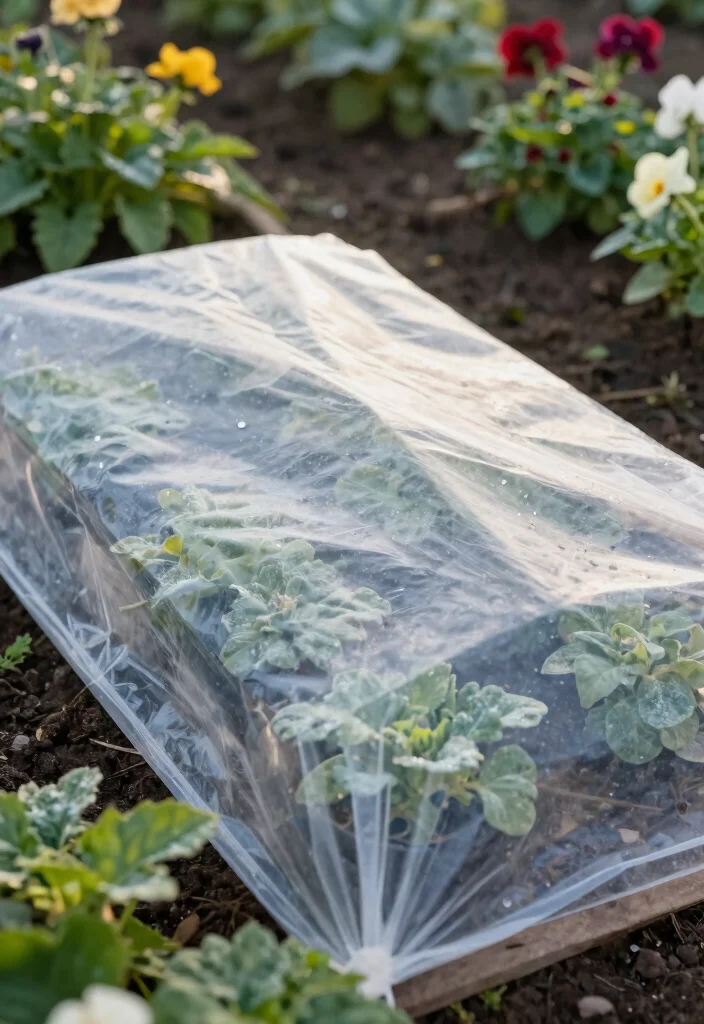
Clear plastic covers are your go-to solution for shielding plants from frost during those chilly nights in spring and fall. These covers create a cozy, mini-greenhouse effect, trapping warmth while still allowing sunlight to nourish your plants. Typically crafted from lightweight, durable plastic, they fit effortlessly over your raised beds, making them an essential addition to your gardening toolkit.
To make the most of these covers, ensure they are securely anchored to withstand windy conditions. They are perfect for gardeners eager to prolong their planting season and safeguard delicate plants from sudden frosts.
Key benefits of using clear plastic covers:
– Temperature Regulation: Keeps plants warm during cold nights.
– Sunlight Access: Allows ample light while protecting against frost.
– Reusable: Designed for long-term use, saving you money.
This simple yet effective solution not only protects your garden but also allows your plants to thrive even in unpredictable weather.

Sufficient Quantity: you will receive 6 pieces of winter plant covers freeze protection, the sufficient quantity and transparent design are enough to meet your daily use and replacement needs

Durable and Clear Protection: crafted from PVC, our garden bed plant covers offer durability and long-lasting protection for your plants; The transparent design allows you to clearly observe plant growth while ensuring they stay from harsh conditions
2. Garden Fabric Covers for UV Protection
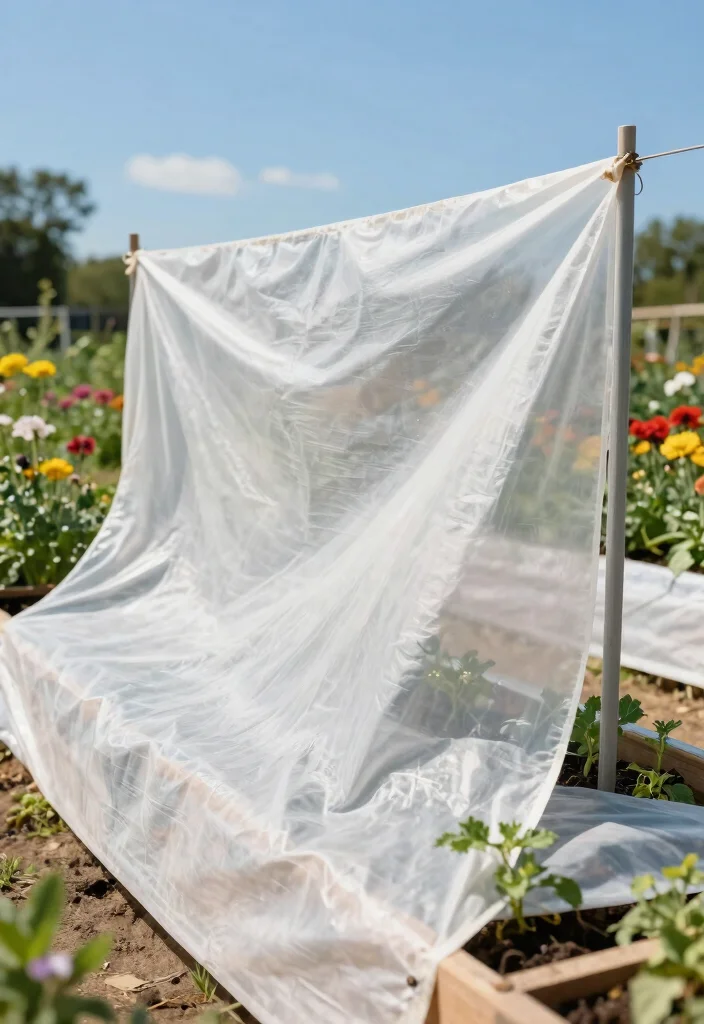
Garden fabric covers serve as an eco-friendly shield against harmful UV rays, while also promoting essential air circulation for your plants. These versatile fabrics come in various weights and textures, making them suitable for different climates and seasons. They significantly reduce heat stress on your plants, especially during the sweltering summer months.
To maximize their effectiveness, simply drape these covers over your raised beds during peak sunlight hours. This easy action can greatly enhance your plants’ health and yield.
Key features of garden fabric covers:
– Breathable Material: Prevents overheating and allows moisture to escape.
– UV Protection: Shields plants from intense sunlight.
– Pest Deterrent: Keeps unwanted insects away while letting beneficial ones through.
With garden fabric covers, you can create a thriving environment, allowing your plants to flourish even in the hottest conditions.

Garden Netting Kit for Raised Beds - Professional garden netting for raised beds effectively keeps birds, bugs, rabbits, deer and small pests away from your raised garden bed, veggies, flowers and seedlings. Includes 1 pcs 10x33 ft garden netting pest barrier, 6 sets of 8ft garden hoops (36 x fiberglass poles+30 x connectors ) and 20 pcs binder clips for immediate installation - everything you need in one package

Defend Against Unwanted Visitors: Gardening is a rewarding and fulfilling endeavor, and you'll watch your plants grow from nothing to maturity before you finally harvest them. Once the plants begin to flower and bear fruit, these unwelcome visitors visit your garden and often leave a trail of destruction. Garden netting is the best choice for protecting your plants

Garden Netting Kit for Raised Beds : Garden Net widely used indoors and outdoors Garden, works well to protect your vegetables, flowers, plants and crops, raised bed, fruits trees from insects, butterfly, bee, birds, chicken, deer and other animals, great for the yard, vegetable garden, and garden raised beds. Garden mesh netting for plants can get a lasting protection for your plants, makes gardening more easier and fun
Key Trade-offs & Our Top Pick
When choosing garden covers for raised beds, you have various options, each with its own advantages and disadvantages. Let’s break down some popular choices to help you decide which one suits your needs best.
1. Clear Plastic Covers for Plant Frost Protection
– Pros:
– Excellent for trapping heat, keeping plants warm in colder temperatures.
– Transparent design allows sunlight to reach your plants.
– Cons:
– Can become too hot in sunny weather, risking plant health.
– May require additional support to prevent collapsing under snow.
– Best for: Protecting tender plants from frost during late fall and early spring.
2. Garden Fabric Covers for UV Protection
– Pros:
– Lightweight and easy to handle.
– Provides effective UV protection while allowing air circulation.
– Cons:
– May not offer enough insulation on extremely cold nights.
– Can wear out faster than heavier materials.
– Best for: Use in warm climates where sun protection is needed but not extreme cold.
3. Mesh Netting for Pest Control
– Pros:
– Keeps pests at bay without harming them.
– Allows rain and sunlight to reach your plants.
– Cons:
– May not provide protection against extreme weather.
– Can be torn easily by strong winds or heavy animals.
– Best for: Protecting your plants from insects while allowing them to thrive naturally.
4. Hoop House Covers for a Mini Greenhouse Effect
– Pros:
– Creates a warm, humid environment ideal for growth.
– Extends the growing season by protecting against frost.
– Cons:
– Requires more space and structure compared to flat covers.
– Can be expensive to set up initially.
– Best for: Serious gardeners looking to maximize growing potential year-round.
5. Floating Row Covers for Frost Protection
– Pros:
– Lightweight and easy to apply over crops.
– Provides effective insulation without direct contact with plants.
– Cons:
– Might not be sturdy enough in windy conditions.
– Limited protection against pests.
– Best for: Quick and easy frost protection during the early spring.
Expert Recommendation:
Best Overall: Clear Plastic Covers for Plant Frost Protection
Clear plastic covers are the top choice for many gardeners. They provide excellent heat retention, which is crucial during chilly nights. Their transparency allows for maximum sunlight exposure, ensuring plants get the light they need. While they require some care during hot weather, their overall versatility and effectiveness make them a favorite among gardeners.
Why We Picked This:
We recognized that while the clear plastic covers are a great all-rounder, others may prefer different options based on specific needs. If you are in a warmer area, the garden fabric covers might suit you better. For pest issues, mesh netting could be the perfect solution. Always consider your local climate and specific gardening goals to select the best cover for your raised beds.

Comprehensive Winter Protection for Your Garden: Our outdoor plant covers provide complete freeze protection for strawberries, vegetables, tomatoes, fruit trees, citrus plants, shrubs, and potted plants throughout the winter. This frost cloth plant freeze protection shields delicate plants from sudden temperature drops, frost, and strong winds, ensuring they survive harsh winter conditions. Ideal for those looking for frost blankets for outdoor plants and reliable plant freeze protection covers.

Full Spectrum White Light Refraction: Our shade cloth for garden can not only effectively block strong direct sunlight, prevent extreme high temperature and sun damage to plants, but also meet the sunlight needed by plants, refraction full spectrum white light, so that your plants get balanced daylight.
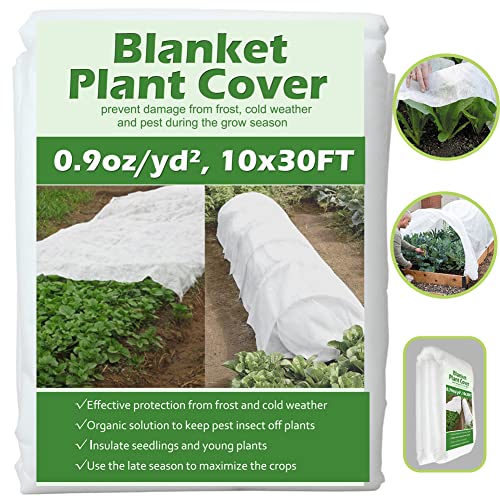
※Big Size to cover large area : The size of our plant cover is 10x30ft, the size can cover large areas. You can cut the plant covers freeze protection into different sizes for different use. You can cover it over the plant such as shrub tomato, pepper, pumpkin, and so on.
3. Mesh Netting for Pest Control
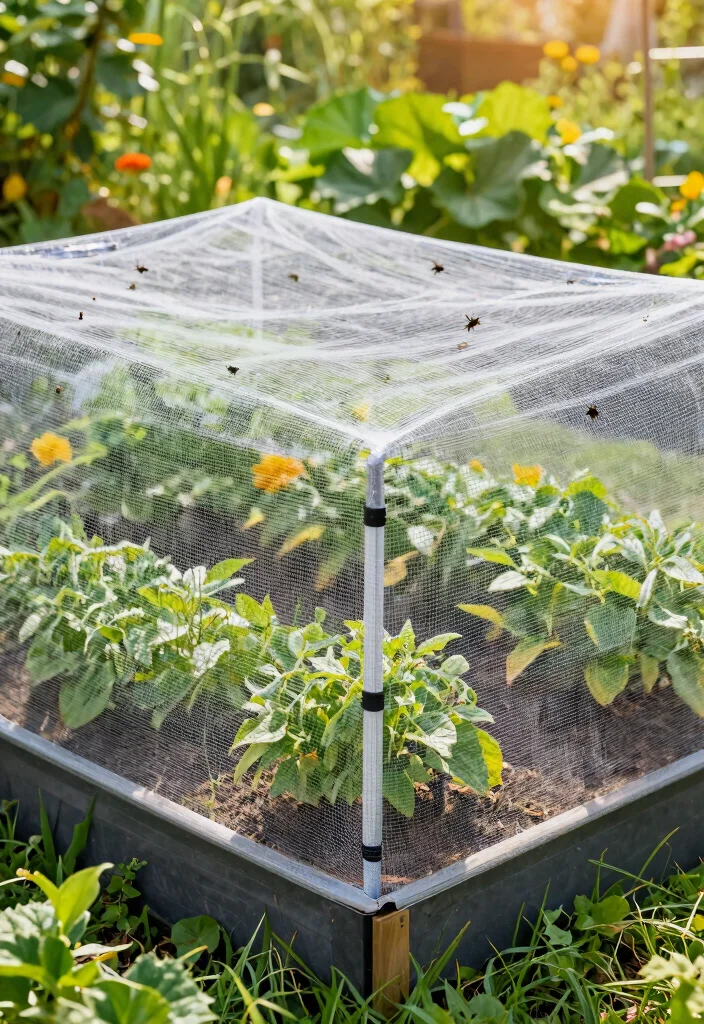
Mesh netting is an excellent way to keep pests at bay while ensuring your plants receive adequate air and light. This eco-friendly option is ideal for organic gardeners looking to minimize pesticide use. The fine mesh effectively blocks unwanted insects while allowing beneficial pollinators like bees to thrive.
To effectively use mesh netting, ensure it is securely fastened to prevent any gaps that pests could exploit. This simple yet powerful cover can protect your crops while promoting a healthier garden ecosystem.
Advantages of mesh netting:
– Insect Barrier: Prevents pests like aphids from reaching your plants.
– Pollinator Friendly: Allows bees and butterflies access to your flowers.
– Versatile Use: Covers individual plants or entire raised beds.
With mesh netting, you can safeguard your harvest and enhance the biodiversity of your garden.

Sturdy Design- Made with high-quality materials and 11mm/0.43in thick of each stake, to withstand high impact and pressure without bending or breaking, provides great stability and ideal environment for rapid germination and growth of young plants even in bad weathy, perfect for indoor and outdoor greenhouse plants use.

【2-IN-1 DESIGN】This Warmfarm garden cloche tunnel comes assembled with 6 hoop stakes & a drawstring to open and close the access points. Accessible from either end & folds accordion style to allow access to any part of your garden row with ease!

6 Mil Clear Greenhouse Plastic Cover: Our greenhouse plastic 6 mil made from premium polyethylene, which is tear-resistant, UV protected, superior strength and toughness for used long time. The greenhouse film is protect plant from various weather, create an optimal greenhouse environment and stable growth environment for the plant
4. Row Covers for Versatility
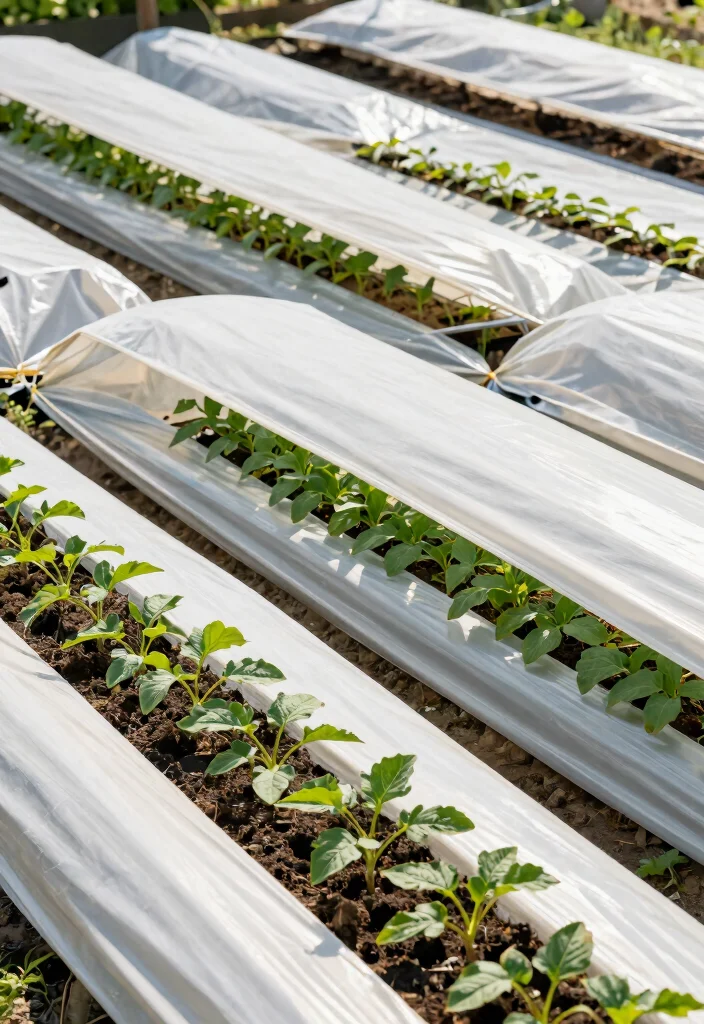
Row covers are incredibly versatile tools for any gardener. They provide frost protection, boost growth, and control pests all in one. These lightweight, movable covers can be easily draped over your raised beds, adapting to changing weather conditions as needed.
To get the best results, choose row covers that align with your climate and the plants you are growing. They can significantly extend your growing season and enhance your garden’s productivity.
Benefits of using row covers:
– Season Extension: Allows for early planting in spring and late harvesting in fall.
– Microclimate Creation: Warms the soil, promoting faster growth.
– Pest Protection: Shields crops from harmful insects.
With row covers, you’ll enjoy a more productive garden and a longer growing season.
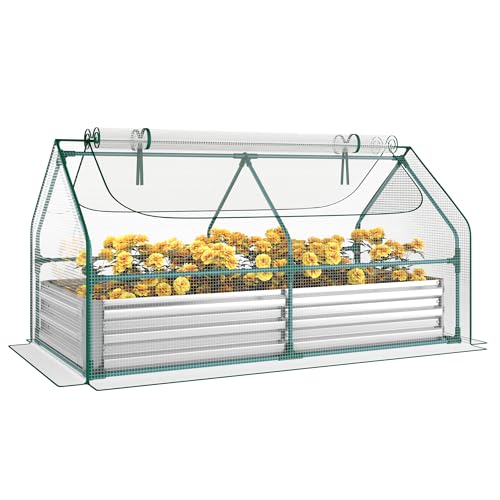
3-IN-1 GARDEN BED WITH GREENHOUSE COVER: One kit, three uses: use it as a raised garden bed, a mini greenhouse, or combine both for full protection. Flexible design lets you adapt to different seasons and plant vegetables, herbs, or flowers in any outdoor garden space.

Chew-Resistant Mesh Barrier: Pests destroying your harvest after weeks of effort is a frustration no grower should face; the Grow Master crop cage uses 1.3 mm superior black fiberglass mesh to help block birds, squirrels, rabbits, deer, and insects; the fiberglass construction resists chewing so critters cannot gnaw through, delivering pesticide-free pest protection season after season for garden enclosures outside.

(Garden Plant Protection) : Heavy-duty fine mesh netting effectively keeps birds, squirrels, rabbits, deer and harmful insects away from your tender vegetables, seedlings, fruits and blooming plants. Stop your hard-grown garden from being destroyed overnight.
5. Fabric Plant Blankets for Winter Protection
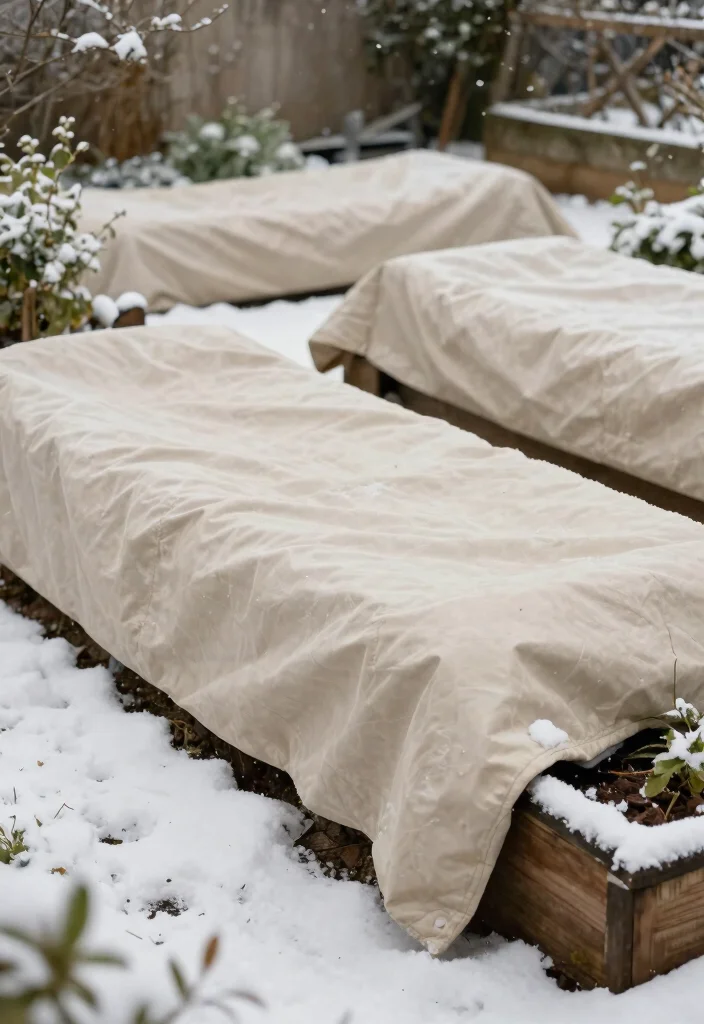
As winter approaches, protecting your raised beds becomes crucial for plant survival. Fabric plant blankets are designed to insulate and shield your plants from freezing temperatures. Made from breathable materials, they maintain warmth while preventing moisture build-up, ensuring your plants remain cozy.
For best results, layer the blankets over your plants in the evening and remove them during the day as temperatures rise. This strategy helps maintain a consistent environment for your plants throughout the winter months.
Features of fabric plant blankets:
– Insulating Properties: Traps heat around plants to prevent frost damage.
– Lightweight and Easy to Handle: Simple to put on and take off.
– Reusable: Durable enough to withstand multiple seasons.
With fabric plant blankets, you can ensure your plants thrive even in the coldest months.

【Package & Size】: You will receive 2 pcs of transparent plastic film plant cover bags in 70.8’’x82.7’’, Each piece is equipped with drawstring, easy to wrap plants, fastening is not easy to loose, easy to install make plant protection more efficient

𝐂𝐋𝐄𝐀𝐑 𝐓𝐀𝐑𝐏: Ansgery clear plastic sheeting is made of woven and double coated polyethylene 3 layer material,high-quality material enhancement tear-resistant and against uv radiation,effectively extends the service life of the greenhouse tarps

COMMERCIAL GRADE THICKNESS – Engineered for superior durability, Ceblish heavy-duty polyethylene sheeting offering 50% more puncture resistance than standard 4 mil films. It provides a robust shield against hail, heavy rain, and strong winds, making it the ideal "armor" for your greenhouse, hoop house, or high tunnel construction projects.
6. Recycled Material Covers for an Eco-Friendly Choice
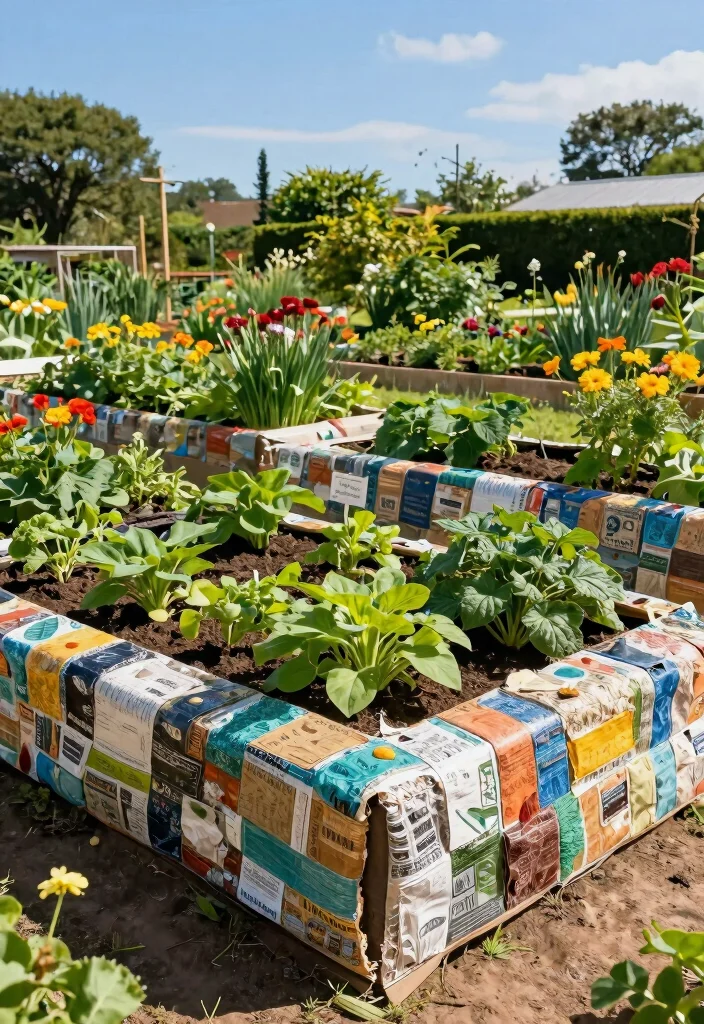
Choosing covers made from recycled materials is a fantastic way to garden sustainably. These eco-friendly options provide the same level of protection as traditional covers while minimizing waste. From recycled plastics to reclaimed fabrics, these materials contribute to a healthier planet as you cultivate your garden.
When selecting these covers, look for certifications to ensure they meet eco-friendly standards. This choice not only benefits your garden but also supports sustainable practices in the gardening community.
Eco-friendly benefits of recycled material covers:
– Sustainable Sourcing: Reduces reliance on new resources.
– Durability: Surprisingly sturdy and long-lasting.
– Low Environmental Impact: Helps reduce landfill waste.
By opting for recycled materials, you’re making a positive impact on both your garden and the environment.

PVC-coated Garden Hoops: PVC coating provides excellent resistance to corrosion and weathering, additional strength and durability, protecting the garden hoop from damage caused by sunlight, rainwater, humidity, and other adverse elements; Excellent choice for constructing a hoop house frame providing a framework for covers like shade cloth, plastic film, garden netting, bird netting or insect netting.
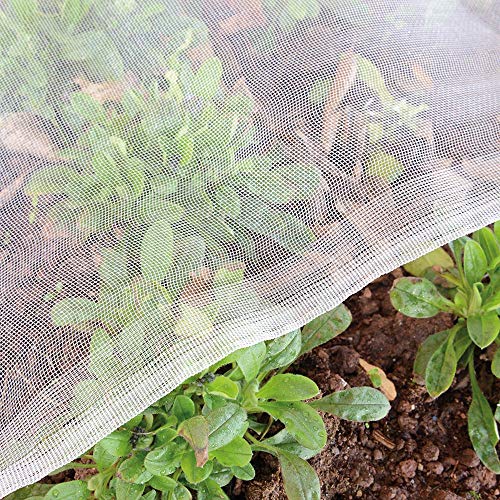
🥬Effective Bug Barrier: Protecting plants and vegetables from a wide range of pest insects and animals, such as cicadas, carrot fly and many species of aphids, you will get a healthier and happier garden

【Ultra-Fine Protection, Full Visibility】IPOW ultra fine garden mesh netting creates an impenetrable barrier against tiny insects, birds, and squirrels while still allowing sunlight, water, and air to nourish your plants, promotes a healthy growing environment. And the visibile mesh design facilitates monitor growth clearly without removing the cover.
7. Wooden Frame Covers for Aesthetic Appeal
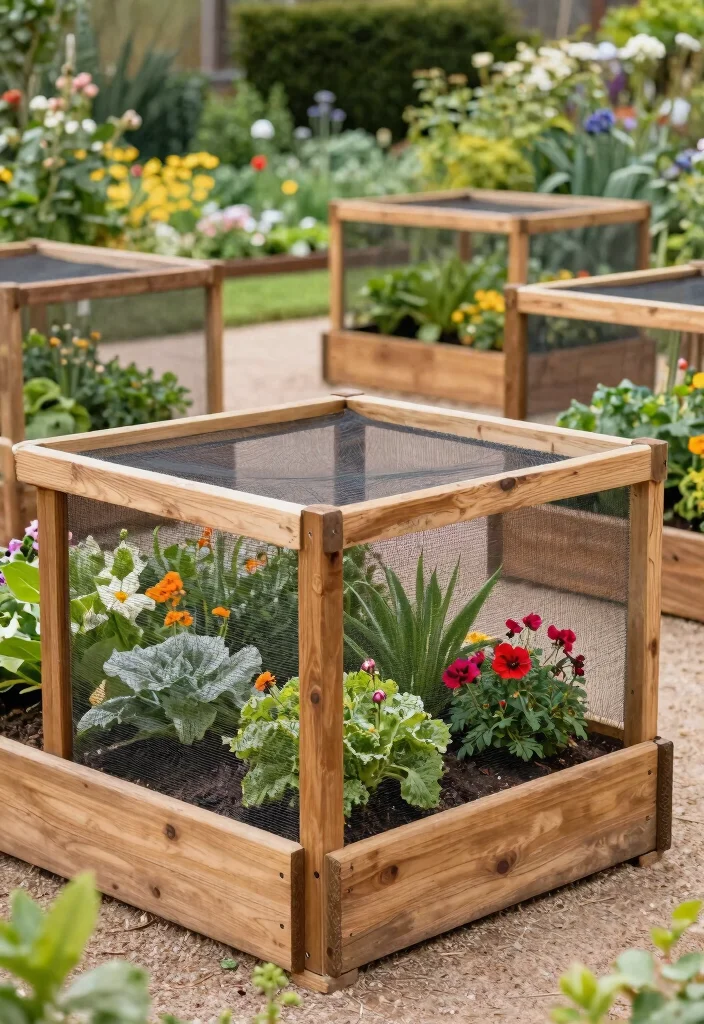
For a beautiful blend of functionality and style, wooden frame covers are an excellent choice. These covers typically feature a sturdy wooden frame with mesh or plastic, offering a charming rustic look while protecting your plants. They enhance the visual appeal of your garden, making it more inviting.
Using wooden frame covers also allows for customization to fit your raised beds perfectly. These covers can accommodate climbing vegetables or flowers, creating a stunning garden display.
Benefits of wooden frame covers:
– Durability: Wood provides stability and longevity.
– Customizable Design: Tailored to fit your specific beds.
– Visual Appeal: Adds charm to your garden landscape.
With wooden frame covers, you can protect your plants while enhancing the beauty of your garden.

【2-3 Years Service Life】Refuse to use recycled materials, tear resistant, high temperature resistance, glossy, safe and odorless, lightweight and durable.

Comprehensive Winter Protection for Your Garden: Our outdoor plant covers provide complete freeze protection for strawberries, vegetables, tomatoes, fruit trees, citrus plants, shrubs, and potted plants throughout the winter. This frost cloth plant freeze protection shields delicate plants from sudden temperature drops, frost, and strong winds, ensuring they survive harsh winter conditions. Ideal for those looking for frost blankets for outdoor plants and reliable plant freeze protection covers.

【All-Purpose Garden Plant Cover】Faraer Floating Row Cover is a polypropylene garden covers that transmits 70 percent of available light. It keeps heat in, bugs out, and is an excellent windbreak for young transplants. It allows rain and overhead irrigation to reach plants and soil. Secure with ground stakes (sold separately).
8. Hoop House Covers for a Mini Greenhouse Effect
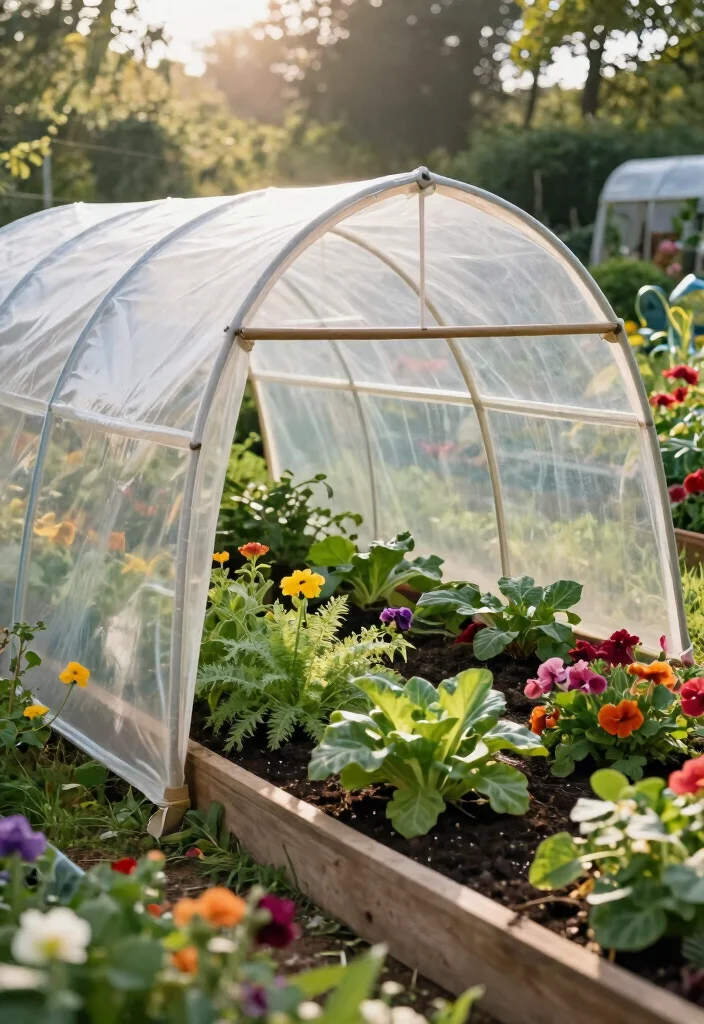
If you’re aiming for a mini greenhouse effect, hoop house covers are an ideal solution. Made from flexible PVC or metal hoops and covered with plastic sheeting, these structures create a warm microclimate perfect for various plants, including vegetables and tropical flowers.
Setting up a hoop house is straightforward, and they can be easily disassembled for storage in off-seasons. This investment yields healthier plants and increased harvests, making it worthwhile.
Advantages of hoop house covers:
– Enhanced Growth: Warms soil and air for faster plant growth.
– Protection from Elements: Shields plants from wind and rain.
– Extended Growing Season: Enables earlier planting and later harvesting.
With hoop house covers, you can create ideal growing conditions and enjoy a fruitful garden year-round.

Reinforced Fiberglass with Thick Plastic Coating - Made from upgraded fiberglass with a thick plastic coating, these garden hoops offer better flexibility, greater toughness, and excellent weather resistance. They bend easily without cracking, spring back into shape, and won't rust or corrode like metal hoops, providing reliable support season after season.

MATERIAL--Never rust plastic coated steel hoop, it can be cleaned, reusable and can be stored for a long time.

[Plant Covers Freeze Protection Solution]: This garden bed cover kit includes 36 Pcs large diameter hoops frame, 17" in length suitable for 2.8 FT or wider bed. 1 pcs 10 x 30 FT plant covers, 30 connectors and 18 garden clips. In 6 pcs hoops combine size can be 2.8 FT (w) x 3.8 FT (H), you can combine different numbers of garden net hoops and plant covers to DIY different sizes to build garden planting tunnels, low plant tunnels, suitable for yards, patio, vegetable gardens, and orchards
9. Shade Cloth for Heat Protection
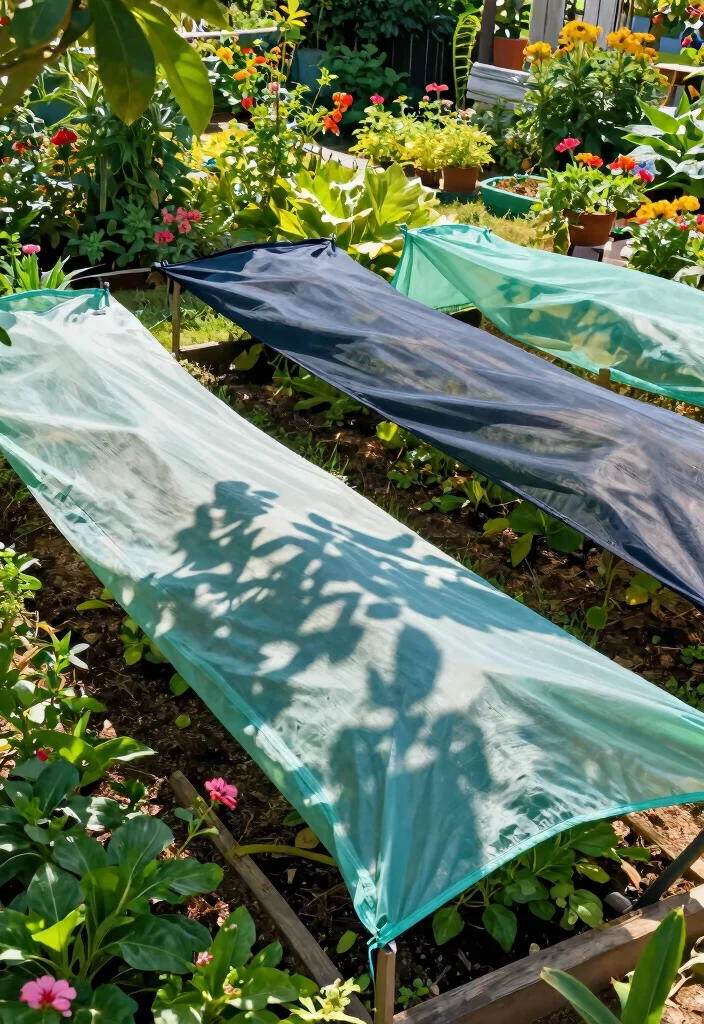
Shade cloth covers are essential for protecting your plants from extreme heat and sunburn. Available in various densities, these covers cater to your plants’ specific sunlight needs, helping maintain optimal temperatures and reduce water loss from evaporation.
For effective use, position shade cloth over your raised beds during the hottest parts of the day. This simple action allows your garden to thrive, even under harsh conditions.
Benefits of shade cloth:
– Heat Regulation: Keeps plants cool during intense sun exposure.
– Reduced Watering Needs: Conserves water by lowering evaporation rates.
– Flexible Use: Adjusts based on your plants’ light requirements.
With shade cloth, you can protect your garden while ensuring your plants remain healthy and hydrated.
Fun fact: Shade cloth can cut heat stress for garden covers for raised beds by up to 30%. It also reduces water loss from evaporation on hot days, helping plants stay cooler and more productive.

✔️【Instant Protection for Raised Garden Bed】 - Our breathable mesh cover provides immediate shelter for your raised beds and vegetable plants, shielding them from pests, birds while allowing air, light, and water to penetrate.

Garden Protection: This raised bed netting cover offers comprehensive protection for your plants, the fine mesh can effectively protect them from insects, birds and small animals, while not affecting the circulation of sunlight, water and air, providing a healthy environment for the growth of plants.

GARDEN COVERS FOR RAISED BEDS: You will receive raised bed greenhouse garden covers * 2, garden staple stakes * 8, with dimensions of 45in x 22in x 16in, sufficient to meet your usage needs. Very suitable for protecting vegetables, fruits, flowers, seedlings, potted plants, etc. from cold air before the arrival of spring, accelerating the growth rate of seedlings, promoting healthy growth, increasing yield, and maximizing your gardening success
10. Compost Blankets for Nutrient Enrichment
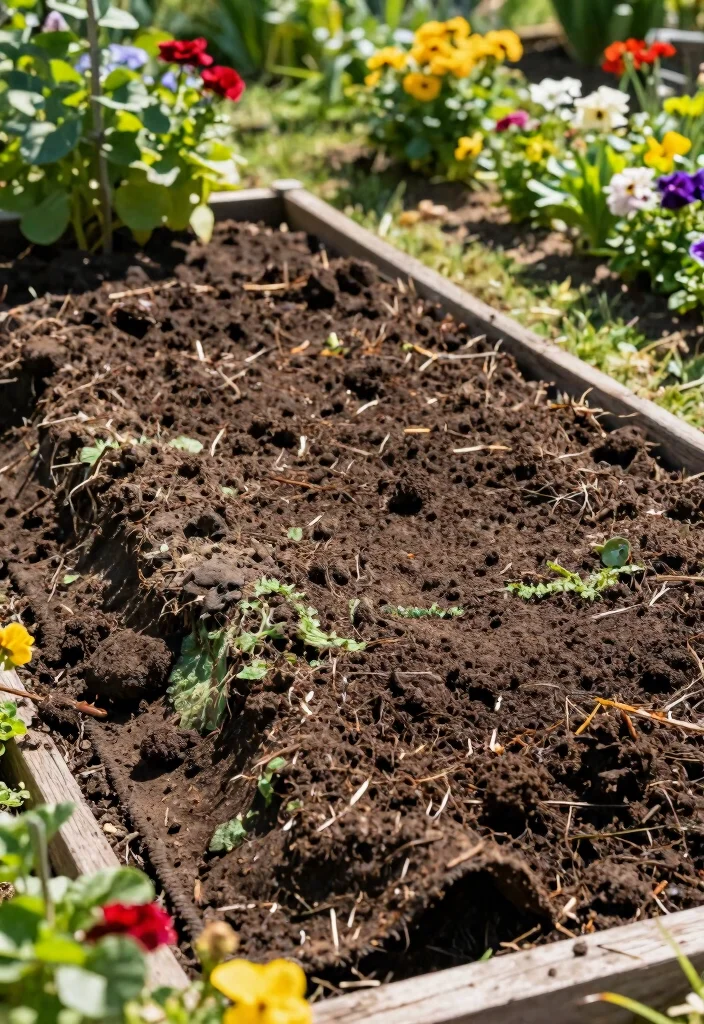
Compost blankets offer a unique way to protect your raised beds while enriching the soil. This biodegradable option consists of a layer of compost wrapped in a protective cover, providing essential nutrients as it breaks down. It’s a sustainable choice that benefits both your plants and the environment.
Apply compost blankets to your raised beds in spring or fall to boost soil quality. This method encourages healthy growth while minimizing waste.
Advantages of compost blankets:
– Nutrient Boost: Directly delivers essential nutrients to your plants.
– Soil Insulation: Maintains consistent temperatures for optimal growth.
– Environmentally Friendly: Fully biodegradable and compostable afterward.
With compost blankets, you can enhance your garden’s health while being kind to the planet.
11. Cold Frames for Year-Round Gardening
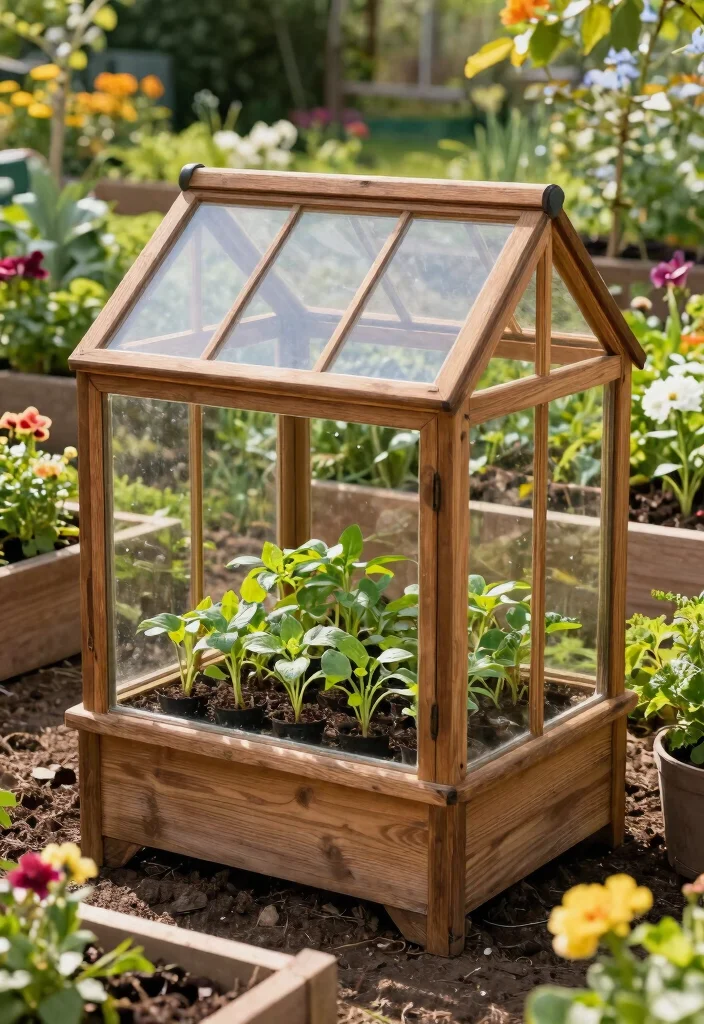
Cold frames are fantastic for year-round gardening, allowing you to grow plants even during winter. Typically made from wood and covered with glass or plastic, these boxes trap heat while still letting light in. They are perfect for starting seedlings early or extending your growing season into fall.
Setting up a cold frame can be as straightforward as using reclaimed wood and old windows, making it a cost-effective project that promotes sustainability.
Key features of cold frames:
– Temperature Control: Maintains warmth for plants during cold months.
– Versatile Usage: Suitable for various crops at different growth stages.
– Ease of Access: Designed for simple planting and harvesting.
With cold frames, you can enjoy a productive garden, no matter the season.
We all want longer growing seasons without breaking the bank. A cold frame made from reclaimed wood and an old window turns garden covers for raised beds into a year-round harvest tool—just open vents on milder days, close them when frosts return.
12. Bio-Based Covers for Sustainable Gardening
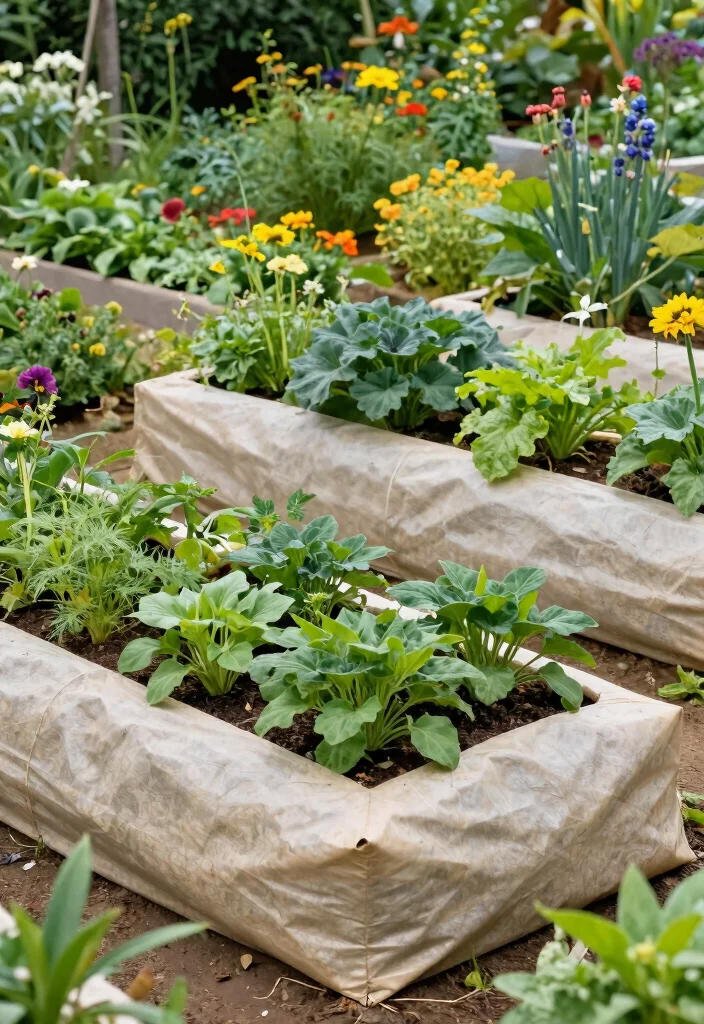
Bio-based covers are a sustainable alternative to traditional garden covers. Made from renewable materials like plant fibers and biodegradable plastics, these covers naturally decompose, reducing environmental impact. They effectively protect plants while fostering a healthier ecosystem.
When selecting bio-based covers, choose reputable brands that prioritize sustainability. This choice showcases your commitment to both gardening and the planet.
Benefits of bio-based covers:
– Eco-Friendly: Made from renewable resources that enrich the soil.
– Soil Health: Enhances microbial activity as they break down.
– Versatile Use: Suitable for a variety of plants and conditions.
By opting for bio-based covers, you contribute to a greener future while nurturing your garden.
Did you know bio-based covers for raised beds can decompose in as little as 6–12 months in home compost, cutting landfill waste by up to 40%? They protect crops between seasons and boost soil health.
13. Floating Row Covers for Frost Protection
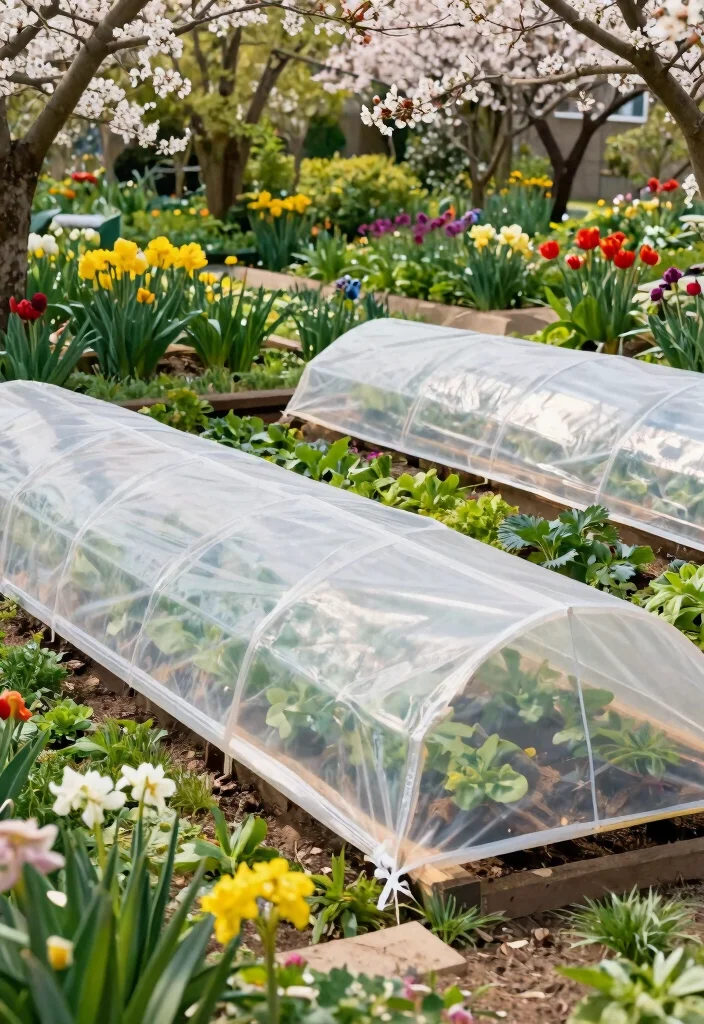
Floating row covers are lightweight and easy to use, providing excellent frost protection while allowing air circulation. You can place them directly over your plants without needing a frame, making them a flexible option for gardeners. These covers are especially handy during unexpected cold snaps.
To make the most of floating row covers, simply lay them over your raised beds, ensuring your plants stay warm and protected from frost.
Advantages of floating row covers:
– Efficiency: Simple to install and remove as needed.
– Versatile Use: Works well for various plants, from vegetables to flowers.
– Increased Growth: Promotes earlier planting and faster growth.
With floating row covers, your tender young plants will have the protection they need to thrive in cooler weather.
14. Custom Fit Garden Covers for a Secure Fit
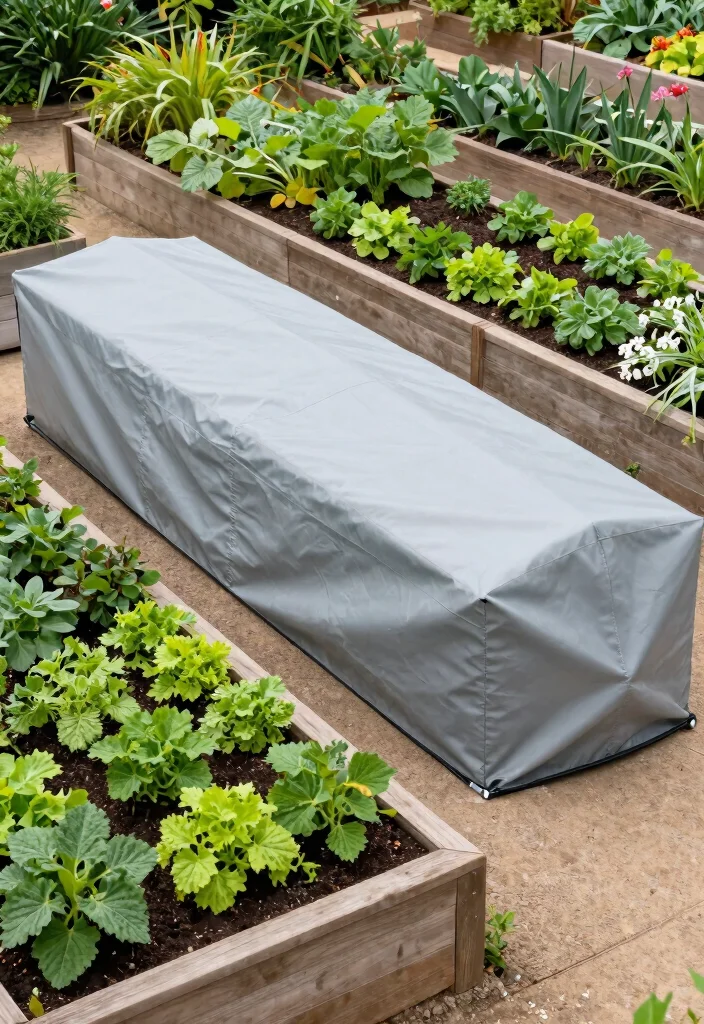
Investing in custom-fit garden covers can dramatically enhance the protection of your raised beds. These covers are tailored to your specific dimensions, ensuring your plants are snug and secure against the elements. You can choose from various materials, allowing you to find the best option for your gardening needs.
Benefits of custom-fit covers include a perfect fit without gaps, durable materials for lasting use, and added convenience with easy removal and replacement.
Custom-fit covers may feature zippers or Velcro openings for user-friendly access, making it even easier to tend to your plants. A well-fitted cover not only protects your plants but also adds a polished look to your gardening setup.
Conclusion
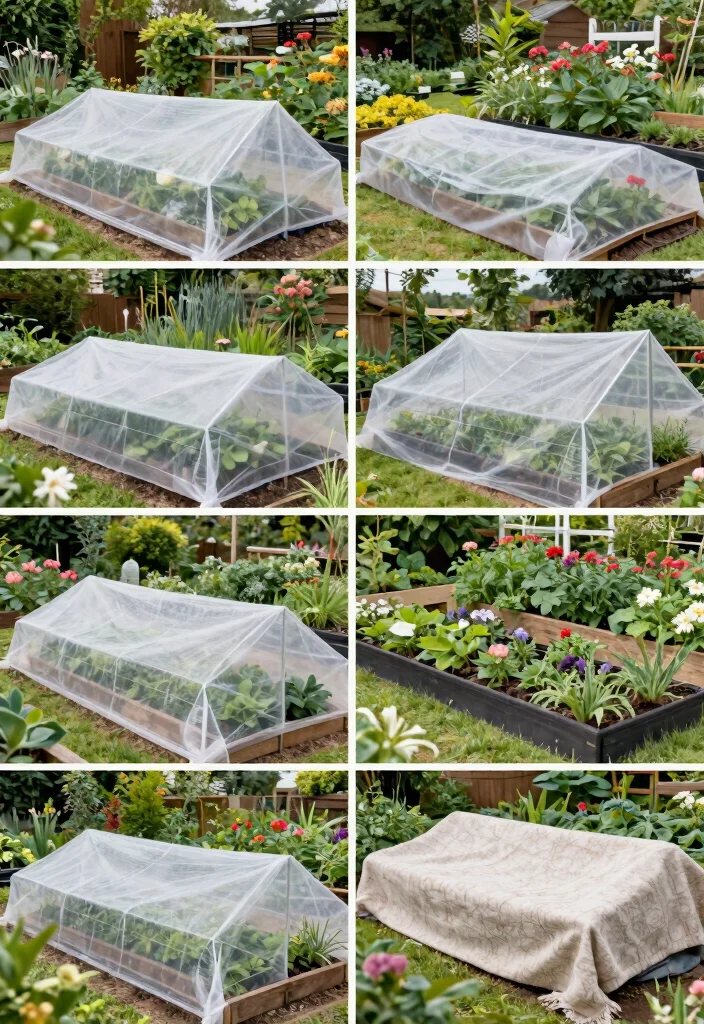
The right garden covers for raised beds not only protect your plants but also enhance your overall gardening experience. From frost protection to pest control, these eco-friendly options cater to various needs throughout the year. As you explore these innovative covers, consider which ones align best with your gardening goals.
Experimenting with different covers can lead to healthier plants and a more sustainable gardening practice, ensuring your garden thrives regardless of the season.
Frequently Asked Questions
What are the best garden covers for raised beds to protect plants year-round?
There is no single best option for garden covers for raised beds, but you can tailor choices to your climate for year-round protection. For many, breathable spunbond fabric provides reliable plant frost protection and airflow, while clear plastic can trap heat on chilly days. For eco-friendly options, look for durable, reusable garden cover materials that are UV-stable. Pair any cover with light raised bed accessories like hoops and clips to keep it secure, and vent on warmer days to maintain airflow and prevent disease.
How do I choose the right garden cover materials for raised bed protection?
Choose based on climate, sun exposure, and what you’re growing. Light, breathable fabrics offer raised bed protection and good airflow, while clear or translucent sheets boost warmth for early starts. Look for garden cover materials that are UV-stable, durable, and reusable to fit eco-friendly gardening goals. Make sure the size and compatibility with raised bed accessories like hoops, frames, and clips are easy to work with. Opt for materials that can be washed and stored after use to reduce waste.
Can garden covers help with plant frost protection and extend the growing season?
Yes. Winter garden covers create a microclimate that traps warmth, giving you better plant frost protection and longer seasons. Use light, breathable covers on cold nights and vent on sunny days to prevent overheating. For extended protection, layer covers with hoops or frames and anchor edges to keep wind out. Always monitor moisture and air flow to avoid mold or root stress.
What are essential raised bed accessories to use with garden covers for year-round protection?
Think hoops, clips, and frames that hold the cover away from the plants, plus vented options for airflow. Essential raised bed accessories include hoop supports, edge fasteners, and simple row cover tunnels. Choose covers that work with these accessories and with your existing bed setup so you get strong raised bed protection without overheating or crowding plants.
How do I install and maintain winter garden covers on raised beds without harming plants?
Start by cleaning the bed, removing debris, and watering before covering. Place hoops or frames to lift the cover off the foliage and secure edges with soil, mulch, or clamps to prevent wind damage. Use light, breathable garden cover materials for winter garden covers, and vent on warm days. Remove coverings when temperatures rise and inspect regularly for pests or moisture buildup. Store clean covers flat or hung for reuse to keep eco-friendly garden covers ready for next season.
Related Topics
garden covers for raised beds
winter garden covers
plant frost protection
raised bed accessories
eco-friendly gardening
seasonal gardening tips
raised bed protection
organic gardening solutions
sustainable materials
easy gardening techniques
beginner gardening
year-round gardening